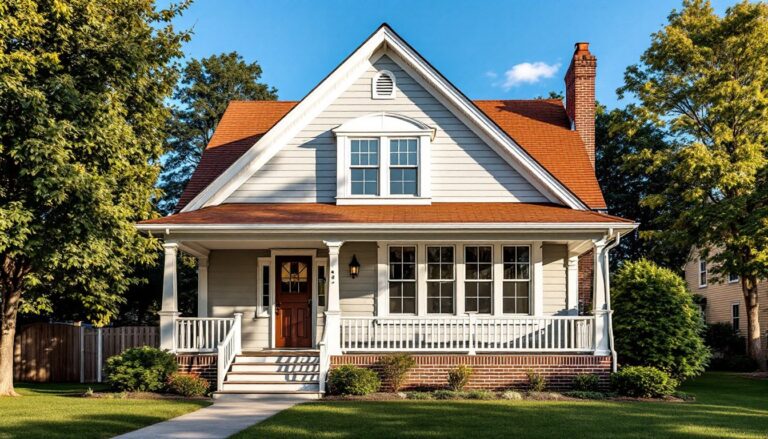

The tiny house movement has shifted from fringe concept to genuine housing solution. A 1000 square foot tiny house offers more livable space than the 400–600 square foot minimalist boxes that initially defined the category, making it an attractive middle ground for buyers seeking affordability without sacrificing functionality. Whether you’re downsizing from suburban sprawl, looking to escape inflated mortgage rates, or simply curious about efficient living, understanding what’s available in today’s market, and how to evaluate it properly, can help you make an well-informed choice that aligns with both your lifestyle and your wallet.
Table of Contents
ToggleKey Takeaways
- A 1000 square foot tiny house for sale typically offers 2–3 bedrooms and 1–2 bathrooms with intentional design that eliminates wasted space while maintaining full livability.
- Pricing for tiny homes ranges from $40,000–$60,000 for factory-built models on wheels to $80,000–$150,000 for foundation-set homes, with strong demand in the Pacific Northwest, Colorado, and parts of the South.
- Purchase prices are substantially lower than traditional homes with dramatically reduced monthly utility costs, property taxes, maintenance, insurance, and repair bills scaling down proportionally.
- Zoning compliance is non-negotiable—confirm that your desired location legally permits tiny houses, as resale becomes nearly impossible in jurisdictions with restrictive ordinances.
- Strategic upgrades like built-in shelving, LED lighting, and organizational systems enhance functionality and resale appeal, but leave major plumbing, electrical, and HVAC work to licensed professionals.
- Treat a tiny house purchase as a lifestyle decision prioritizing lower cost of living first and investment appreciation second, as resale appreciation depends heavily on location and market sentiment toward alternative housing.
What Defines A 1000 Square Foot Tiny House
A 1000 square foot tiny house typically features 2–3 bedrooms, 1–2 bathrooms, an open-plan living area, and a compact kitchen. That footprint is significantly larger than the standard 400-square-foot image people conjure when they hear “tiny house,” but it’s still roughly half the size of the average American single-family home (about 2,200 square feet in 2026). The key is intentional design that eliminates wasted space while maintaining livability.
Key Design Features That Maximize Space
Multi-functional rooms are the backbone of tiny house design. A bedroom might incorporate a small workspace: the dining area doubles as a workspace or craft zone. Built-in storage, deep pantries, under-stair cabinets, and wall-mounted shelving, replaces free-standing furniture that eats square footage. Many models use open-concept layouts to avoid hallways and cramped corridors that serve no purpose but to shrink usable space.
Vertical thinking dominates tiny house floor plans. Floor-to-ceiling cabinets, loft bedrooms, and elevated sleeping platforms reclaim overhead volume that would otherwise sit empty. Appliances are typically smaller (compact refrigerators, narrower stoves, shallow sinks) but still functional for full-time living. Windows are strategically placed to maximize natural light and create an airy feel, which helps 1000 square feet feel less oppressive than the raw number suggests. Material choices lean toward light colors and reflective finishes to amplify perceived space.
Current Market Trends And Pricing For Tiny Homes
Tiny house pricing in 2026 ranges widely depending on construction quality, location, customization, and whether the unit is new or pre-owned. Factory-built models on wheels typically start around $40,000–$60,000 for basic specs and climb to $100,000+ for high-end finishes and custom layouts. Foundation-set tiny homes (built on permanent lots) generally cost $80,000–$150,000, though regional labor and material costs create significant variation.
Demand remains strong, particularly in states with affordable land and relaxed zoning restrictions. The Pacific Northwest (Oregon, Washington), Colorado, and parts of the South (North Carolina, Tennessee) have emerged as tiny house hubs. Interest has also spiked among first-time homebuyers priced out of traditional markets and remote workers seeking lower cost-of-living areas. Finance approval has become easier as lenders recognize tiny houses as legitimate collateral, though rates and terms often differ from conventional mortgages.
The resale market is younger and more volatile than traditional housing. Early adopter units sometimes appreciate modestly: others depreciate depending on trends, location desirability, and condition. Tax benefits vary by jurisdiction, some states offer property tax breaks for efficient housing, while others don’t recognize tiny houses in zoning codes at all.
Where To Find 1000 Square Foot Tiny Houses For Sale
Multiple channels exist for sourcing tiny houses. Specialized marketplaces like Tiny House Listings, Zillow’s tiny home filter, and Facebook groups dedicated to tiny house communities aggregate both MLS properties and private sales. Many builders maintain their own websites and can discuss custom builds or spec homes in your region.
Traditional real estate agents are increasingly familiar with tiny properties, though specialists in alternative housing tend to better understand the nuances of financing and zoning compliance. Auctions and foreclosures occasionally surface tiny homes at steep discounts, but inspection access may be limited.
Attending tiny house festivals or expos, many regions host them annually, allows you to tour models, ask builders direct questions, and network with current owners. Online communities and forums offer candid owner reviews about specific models, builders, and locations. Real estate sites now include dedicated tiny home sections, making the search far easier than even five years ago. Cast a wide geographic net initially: you might find a better deal two states over than in your immediate market.
Evaluating A Tiny House Purchase: What To Inspect And Consider
Inspecting a tiny house requires the same rigor as any real estate purchase, but with a few unique angles. Structure is paramount: check foundation stability (whether on wheels or a slab), roof condition and flashing integrity, and wall framing for signs of moisture or settling. On mobile tiny homes, inspect the trailer chassis for rust, axle condition, and electrical/plumbing connections at the coupling point.
Insulation and thermal envelope matter intensely in small spaces. Poor insulation means heating and cooling costs skyrocket, and condensation issues emerge fast in tight quarters. Request blower door test results or thermal imaging data if available. Check windows for single vs. double pane and any drafts.
Mechanical systems, plumbing, electrical, HVAC, must be sized appropriately. A regular furnace wastes space in a 1000 square foot home: mini-split heat pumps or radiant floor systems are more common. Verify electrical capacity (especially for mobile homes, which may run on propane for cooking or heating). Plumbing in compact homes relies on small-diameter lines: inspect for code compliance and freeze-protection measures if seasonal.
Legal checks are non-negotiable. Confirm zoning compliance at the specific address: you could own a legally compliant tiny house that violates local ordinances where you want to place it. Request a title search, warranty information, and builder history. If financing, your lender will require appraisal and title verification anyway. Walk away if the property sits in a jurisdiction where tiny houses are prohibited or heavily restricted, resale becomes nearly impossible.
Financial Benefits And Long-Term Investment Potential
The financial appeal of tiny houses centers on lower acquisition cost and reduced operating expenses. Purchase prices are substantially lower than traditional homes in the same market, and property taxes scale accordingly. Monthly utilities drop dramatically: heating and cooling 1000 square feet costs far less than a 2200-square-foot house, even before accounting for superior insulation standards in newer builds.
Maintenance and repair bills shrink too. Roofing, siding, and structural work all cost less when the footprint is smaller. Insurance premiums are typically lower, and some insurers now offer specialized tiny house policies at competitive rates.
Investment potential is less predictable. Appreciation depends heavily on location, zoning stability, and market sentiment toward alternative housing. In desirable markets with strong tiny house communities (like Portland, Oregon), appreciation has been modest but positive. In speculative markets or areas with restrictive zoning, resale may be challenging. The key is treating a tiny house purchase as a lifestyle decision first and an investment second. If you’re banking on significant equity growth, a traditional property may be safer. If you’re seeking lower cost of living and lower housing expense, the math works immediately.
Customization And DIY Improvements For Your Tiny Home
Once you own your 1000 square foot tiny house, thoughtful upgrades can enhance both functionality and resale appeal. Small-space design principles, the same ones that guided the home’s original build, should frame your improvements. Adding unnecessary bulk defeats the purpose. Practical upgrades focus on storage, natural light, and efficient use of existing square footage.
Built-in shelving, pull-out pantry organizers, and under-bed drawers maximize unused vertical and horizontal space without consuming floor area. DIY installation of small space living ideas can transform awkward corners into functional zones. Soft-close cabinet hinges and quality door hardware make micro-scale mechanical work easier and more pleasant. Applying home organization tips like drawer dividers and labeling systems keeps clutter from accumulating fast in tight quarters.
Lighting upgrades, strip LEDs under cabinets, dimmable overhead fixtures, and task lighting in work zones, make 1000 square feet feel more spacious and functional. Painting accent walls or adding strategic mirrors amplifies perceived space. Flooring updates, if the original is worn, should prioritize durability and visual continuity: open-plan layouts mean every surface is visible, so quality matters.
Be cautious about structural or mechanical DIY work. Plumbing, electrical, and HVAC in tiny homes are often non-standard and tightly integrated. A misstep can create cascading problems in close quarters. Owner-builder improvements, cosmetic finishes, organizational systems, and hardware swaps, offer good ROI and fit the DIY-friendly ethos. Leave major systems to licensed professionals. Research indicates that efficient tiny home design prioritizes smart construction over post-purchase retrofits, so respect the original builder’s intent where possible.