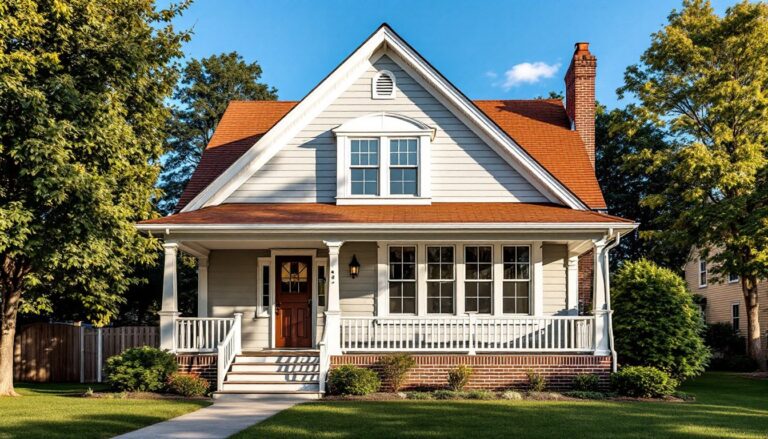

A 12×40 tiny house packs 480 square feet of living space into a footprint smaller than many garage apartments. Whether you’re interested in downsizing, building an accessory dwelling unit (ADU), or exploring alternative housing, a 12×40 layout offers real practicality without excessive sacrifice. The narrow width and generous length create unique design challenges, but also opportunities. With smart planning, you can fit a kitchen, bedroom, bathroom, and living area into a layout that feels spacious rather than cramped. This guide walks you through why 12×40 tiny houses appeal to so many DIYers and homeowners, what design principles actually work at this scale, and how to evaluate floor plans that fit your lifestyle.
Table of Contents
ToggleKey Takeaways
- A 12×40 tiny house floor plan delivers 480 square feet of functional living space with efficient layout that costs roughly 40% less to build than traditional 1,200-square-foot homes.
- Open concept design and strategic window placement along the long sides maximize natural light and perceived spaciousness without sacrificing the separate bedroom, kitchen, and living areas.
- Multi-functional furniture, vertical storage solutions, and built-in cabinetry are essential in a 12×40 layout to prevent clutter and make the space feel organized and livable.
- The three primary 12×40 floor plan configurations—bedroom front, split bedroom, and loft bedroom—each offer different trade-offs; choose based on your lifestyle and privacy needs.
- Before building, verify local zoning codes, building permits, and foundation requirements, as regulations for tiny houses on wheels versus permanent ADUs vary significantly by jurisdiction.
- High-performance insulation, mini-split heat pump systems, and carefully sized appliances (like 24-inch refrigerators) maximize efficiency and comfort in the compact footprint.
Why 12×40 Tiny Houses Are Growing in Popularity
The 12×40 footprint sits at a sweet spot between portability and livability. At 480 square feet, it’s large enough to feel like a real home, not a studio apartment, yet small enough to fit on a single trailer axle if built as a tiny house on wheels (THOW). This size also works perfectly for ADUs, guest houses, or secondary dwelling units on residential lots, depending on local zoning codes.
Cost is a major draw. A 12×40 structure requires roughly 40% less material and labor than a 1,200-square-foot home, which translates to lower construction costs, cheaper utilities, and reduced maintenance. For someone building their own home, the smaller square footage means the scope feels achievable, not a 10-year project.
A 12×40 layout also avoids the claustrophobia trap. Unlike truly micro-housing (under 300 square feet), this size allows proper separation: you can have a genuine bedroom, a real kitchen, and a living area where you’re not eating dinner while sitting on your bed.
Finally, the narrow-but-long profile makes efficient use of odd lot shapes and maximizes natural light along two long sides of the structure. If you’re working with limited land or building as an infill project, the rectangular footprint is far easier to site than a square footprint would be.
Key Design Principles for 12×40 Layouts
Building a functional 12×40 floor plan means abandoning traditional home design rules and embracing the constraints. Every square foot matters, and every decision ripples through the layout.
Open Concept Living Areas
The narrow width (12 feet interior, minus wall thickness = roughly 10.5 feet of usable space) means you cannot have separate dining, kitchen, and living rooms. Instead, successful 12×40 designs combine these into one open living zone. A quality floor plan uses visual boundaries, different flooring materials, a low partition, or a change in ceiling height, to define zones without walls.
Practically, this means your kitchen counter doubles as a dining bar, your living area flows directly into the kitchen, and you rely on furniture placement (not walls) to organize the space. This approach actually increases perceived size: sightlines from one end of the space to the other create an illusion of openness.
Windows matter enormously in open plans. The 12×40 length lets you run windows along the long sides, flooding the interior with natural light. Compare this to a square 22×22 footprint, which can’t achieve the same light distribution, and you’ll understand why the linear shape outperforms in small spaces.
Multi-Functional Spaces
In a 12×40 house, every room earns its keep. The bedroom cannot just be a bedroom: it might need to serve as an office, meditation space, or guest room. The living room might include a murphy bed or convertible sofa for overnight guests.
Smart multi-functional design uses movable furniture, built-in storage, and flexible layouts. A desk that lifts into a wall, shelving that does double duty as a room divider, or a dining table that folds, these aren’t luxuries in a 12×40: they’re necessities. When you’re working with 480 square feet, a piece of furniture that serves one purpose is wasted space.
Storage integration is where most DIYers underperform. Vertical storage, under-bed drawers, corner carousels in cabinets, and wall-mounted shelving transform cramped quarters into organized homes. Designs that skip this integration end up feeling chaotic no matter how well-proportioned the rooms are.
Popular 12×40 Floor Plan Configurations
Most functional 12×40 layouts follow one of three configurations, each with trade-offs.
Bedroom at Front, Living/Kitchen at Rear – This layout places the private bedroom and bathroom at the entry end (often better for privacy on trailers or ADUs positioned near neighbors). The kitchen and living area spread across the remaining length, allowing easy access to outdoor deck or porch. The downside: the bedroom gets smaller (often 9×10 or 10×10), and you sacrifice natural light if windows are limited to long sides.
Split Bedroom and Bath – Some designs float the bedroom roughly in the middle, with the bathroom adjacent. Living and kitchen bookend the structure. This configuration balances privacy and openness but can feel choppy if not executed carefully. Hallways eat precious square footage, so effective plans minimize corridor space.
Loft Bedroom with Stairs – A 12×40 THOW design often includes a lofted sleeping area above the living or kitchen zone, accessed by stairs or a ladder. This frees ground-floor space for living and cooking. The trade-off: loft headroom is limited (often 4 to 5 feet), and climbing to bed daily isn’t for everyone. It also makes furniture arrangement on the main floor trickier since the vertical space above is claimed.
You can find a variety of DIY tiny house plans that showcase these configurations in detail, complete with wall locations, window placement, and load-bearing considerations. Each style works for different lifestyles, so pick the configuration that matches how you actually live.
Storage Solutions and Space-Saving Strategies
Storage is where a 12×40 floor plan succeeds or fails. Without deliberate strategy, 480 square feet feels like 300 square feet once you account for clutter.
Start with under-floor or under-stair storage if the home sits on a trailer. Sealed, weather-tight compartments beneath the living space store seasonal items, tools, or off-season gear. On a permanent foundation ADU, a small crawlspace or basement room serves the same purpose.
Built-in shelving and cabinetry outperform free-standing furniture in small spaces. A wall-to-wall bookshelf visually emphasizes the long sightline, creates storage, and costs less than moving a dresser later when you change your mind. Custom closets with vertical dividers, pull-out baskets, and overhead shelves triple usable capacity compared to a simple hanging rod.
The kitchen demands special attention. A galley kitchen (units on two sides, 4 to 5 feet apart) is standard in 12×40 layouts. Corner carousels, pull-out spice racks, and appliance garages (enclosed countertop shelves) keep small kitchens functional. Many successful layouts use a 24-inch-deep refrigerator instead of standard 30-inch depth, recovering precious floor space without sacrificing volume.
Bathroom storage is similarly critical. A vanity with drawers, medicine cabinet, and shelving above the toilet handle toiletries and towels without eating floor space. Wall-mounted shower caddies and soap dishes keep bottles off the tub edge.
Small space living strategies discussed on Apartment Therapy emphasize the power of vertical thinking and organizational systems. The same principles apply here: go up, not out.
Building Your Own 12×40 Tiny House
If you’re considering building a 12×40 yourself, start by checking local zoning and building codes. Permanent ADUs, tiny houses on wheels, and accessory dwelling units face different permitting requirements depending on jurisdiction. Some areas allow THOWs: others restrict them or require permanent foundations. A call to your local building department costs nothing and saves months of missteps.
Next, decide on foundation and mobility. A 12×40 THOW weighs 12,000 to 18,000 pounds (varies by build quality and finish), requiring a heavy-duty trailer rated for at least 10,000-pound axles. A permanent foundation, slab, crawlspace, or pier-and-beam, costs more upfront but eliminates trailer maintenance and future moving hassles. The choice affects framing details, insulation requirements, and even interior layout (THOW designs often include lofts to lower the center of gravity for towing stability).
Frame construction follows standard IRC (International Residential Code) practices, adapted for narrow width. 16-inch on-center wall studs (2x4s) are typical: some builders use 2x6s for better insulation and a thicker wall cavity for plumbing and electrical runs. A 12-foot clear span requires dimensional lumber joists or engineered beams for the floor or ceiling, depending on layout.
Material choices matter. High-performance insulation (closed-cell spray foam or rigid foam board) prevents condensation and maintains comfort in a compact footprint. Standard fiberglass batts are cheaper but less effective in tight spaces. Similarly, a quality HVAC system smaller than a traditional home (a mini-split heat pump is ideal) costs more per square foot but delivers better climate control than window units.
Budget home renovation stories on Young House Love include DIY tiny house builds that detail cost breakdowns and material decisions. These real examples help calibrate expectations.
Most owner-builders tackle framing, interior finishing, and mechanical rough-in themselves, then hire licensed electricians and plumbers for final inspections. This splits the labor cost while keeping you involved in major decisions. Never skip permits or inspections, they exist to ensure the home is safe and later resalable.