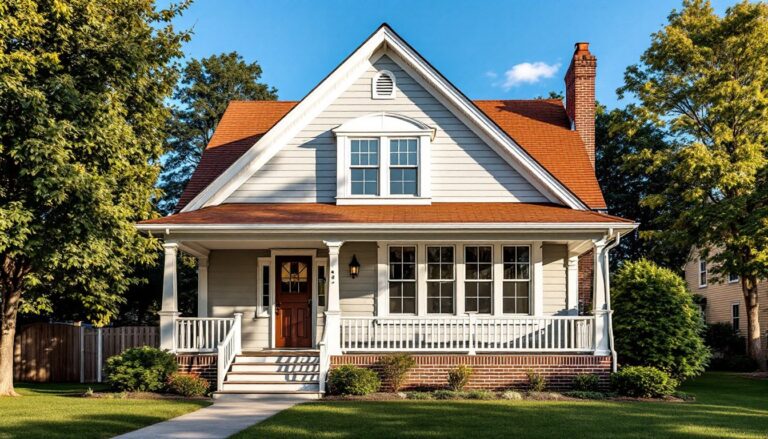

A 14×40 tiny house delivers around 560 square feet of living space, roughly the size of a large apartment, but with far lower ownership costs and minimal environmental footprint. These compact homes have exploded in popularity over the past five years, driven by rising housing costs, remote work flexibility, and a genuine shift toward sustainable living. Whether you’re downsizing, building an investment property, or exploring alternative housing, understanding the practical realities of a 14×40 layout is essential. This guide walks through design strategies, budget planning, and hands-on building considerations to help you make an well-informed choice.
Table of Contents
ToggleKey Takeaways
- A 14×40 tiny house offers 560 square feet of living space with 50–60% lower construction costs per square foot than traditional stick-built homes, making it an affordable alternative for primary residences, guest houses, or rental properties.
- Effective 14×40 design prioritizes open-concept living, vertical storage integration, and multi-purpose rooms with flexible furniture to maximize functionality without sacrificing comfort in a compact footprint.
- Budget planning for a 14×40 tiny house typically ranges from $50,000 to $120,000, with foundation and site work consuming 15–20% and interior finishes accounting for 20–30% of total costs.
- DIY framing and exterior work can reduce labor expenses, but plumbing, electrical systems, and final inspections require licensed professionals in most jurisdictions to ensure safety and code compliance.
- Living successfully in 560 square feet demands intentional decluttering, dual-purpose furniture, and strategic design choices like light colors, mirrors, and proper lighting to maximize perceived space and comfort.
What Is a 14×40 Tiny House and Why It’s Gaining Popularity
A 14×40 tiny house is a compact dwelling with a footprint of 560 square feet, approximately 14 feet wide and 40 feet long. This size falls comfortably under the 600-square-foot threshold many municipalities set for tiny house zoning, making permitting easier in many jurisdictions. Unlike smaller 8×20 or 8×40 designs, the 14×40 provides enough width to accommodate a full bathroom and bedroom without feeling like a shoebox.
The appeal is straightforward: lower construction and financing costs, reduced utility bills, minimal maintenance, and a smaller environmental footprint. Many people build a 14×40 as a primary residence, guest house, rental property, or backyard accessory dwelling unit (ADU). Interest spiked during 2020–2021 when remote work became permanent for millions, and it hasn’t slowed. According to the Tiny Home Association, the average tiny house costs 50–60% less per square foot than traditional stick-built homes, though site preparation, foundation, and local labor rates affect this significantly.
Layout and Design Essentials for 560 Square Feet
Your 14×40 layout must prioritize flow and eliminate wasted hallway space. Most effective designs place a full master bedroom (typically 10×12 feet) at one end, a bathroom (5×8 feet) and optional second bedroom or office (8×10 feet) in the middle, and an open kitchen-living-dining area at the other end. This arrangement minimizes plumbing runs and maximizes the social core of the home.
Open-Concept Living Strategies
Open-concept is nearly essential in a 14×40 because walls eat square footage. Combine the kitchen, dining, and living areas into one flowing space with visual separation via half-walls, kitchen islands, or level changes (a subtle 2-inch step between kitchen and living) rather than full partitions. Use consistent flooring and paint colors to reinforce the sense of continuity. Ceiling height becomes psychologically important: vaulted or sloped ceilings in the main living area make the space feel larger, and they’re structurally efficient on a narrow footprint.
Storage integration is critical. Built-in shelving around the living perimeter, under-stair storage if you have a loft option, and kitchen islands with cabinets below provide functional storage without eating into usable floor area. Many builders incorporate alcoves beside bedroom doorways for narrow bookcases or closet depth extensions that don’t intrude into the main room.
Multi-Purpose Room Solutions
Dedicate one secondary room, typically 8×10 feet, as a flexible space: guest bedroom, home office, craft room, or workout studio depending on the season or current life stage. Fold-down desks, murphy beds, or a quality pull-out sofa eliminate the need for dedicated furniture. Sliding barn doors or curtain room dividers offer visual privacy without the space penalty of traditional swinging doors.
Lighting design matters more in compact homes. Layer ambient overhead lighting, task lighting (under-cabinet kitchen, desk), and accent lights to create distinct zones. Windows on opposing walls maximize natural light and give the illusion of openness. Skylights or roof monitors above the main living area are popular additions that don’t require sacrificing floor space.
Cost Breakdown and Budget Planning
A 14×40 tiny house typically costs $50,000 to $120,000 fully built, depending on finishes, foundation type, site prep, and whether you’re building it yourself or hiring contractors. Breaking down typical expenses:
Foundation & Site Work (15–20% of budget): Permanent foundations (concrete slab, pier and beam, basement) cost $8,000–$20,000. Modular trailers (if building for mobility) add $3,000–$8,000. Site clearing, grading, and utility hookups vary dramatically by location but expect $2,000–$10,000.
Framing, Roofing & Exterior (25–30%): Rough framing runs $8,000–$15,000. Roofing (asphalt shingles, metal, or standing-seam) adds $3,000–$8,000. Exterior siding, windows, and doors: $5,000–$12,000 depending on material quality.
Plumbing & Electrical (15–20%): Full bathroom, compact kitchen, and electrical panel roughly cost $6,000–$12,000 combined. Many DIYers handle rough-in work to save labor, but final rough-in inspection and fixture installation often require licensed professionals in most jurisdictions.
Interior Finishes & Appliances (20–30%): Drywall, paint, flooring, cabinetry, and appliances (compact stove, refrigerator, often propane or electric heat) account for $10,000–$18,000. Choosing mid-range finishes, vinyl plank flooring, basic cabinet boxes with custom touches, saves thousands without sacrificing durability.
Pro Tip: Regional labor costs skew budgets dramatically. Building in a rural area with low contractor wages is cheaper than an urban market. Material costs fluctuate: lock in quotes early, and plan a 10–15% contingency buffer for surprise site conditions or code compliance upgrades.
DIY Building Tips and Practical Considerations
Many owners handle framing, exterior sheathing, and interior finishing themselves to reduce labor costs, but structural and utility work, especially plumbing and electrical, often requires licensed professionals depending on your jurisdiction. Always check local building codes and permit requirements before starting: some regions permit owner-builder work with proper inspections, while others mandate licensed contractors for certain systems.
Framing the structure is achievable for someone comfortable with a 2×4 and 2×6 lumber, nail gun, and level. A 14×40 frame is logically similar to a larger house, just more compact. Use proper stud spacing (16 inches on center), install rim board and headers correctly, and ensure your subfloor is level, poor framing foundation cascades into drywall, flooring, and roofing problems later. The frame assembly, sheathing, and roof typically take two experienced DIYers 4–6 weeks working weekends.
Recent articles on construction techniques emphasize the importance of proper air sealing and vapor barriers during framing: in a 14×40, these details are magnified because mistakes have nowhere to hide. Use Tyvek or rigid foam sheathing appropriately, and tape seams per your climate zone’s requirements. Consult your local building department or a builder specializing in tiny homes before you frame.
Safety first: Wear safety glasses and ear protection during framing and roof work. Use proper fall protection if your roof pitch exceeds 8:12 or if you’re working at height. A second pair of hands is mandatory for roof truss installation and wall raising.
Plumbing and electrical are best left to licensed professionals or owner-builder permits under inspection. Water supply runs must be properly sized and insulated to prevent freezing in cold climates. Drain lines need adequate slope (typically 1/4 inch per foot). A single mistake, undersized wiring, improper grounding, leaking connections, creates safety hazards and fails inspection. Many jurisdictions require licensed electricians to certify final connections to the service panel.
Procure quotes from local electricians and plumbers for rough-in and trim-out work early: these trades often have long lead times, and scheduling coordination prevents project delays.
Interior Design and Storage Hacks
Every inch counts in 560 square feet. Vertical storage is your best friend: floor-to-ceiling shelving, wall-mounted cabinets, and pegboards reclaim wasted wall space. In the kitchen, magnetic spice racks, hanging pot rails, and under-cabinet pull-out organizers keep frequently used items accessible without cluttering countertops.
Furniture selection defines livability. Opt for dual-purpose pieces: a storage ottoman that doubles as a coffee table and seat, a bed frame with drawers underneath, a desk that folds into a wall, kitchen islands with shelving or seating. Scaled-down appliances, a 18-inch refrigerator, compact dishwasher, or convection oven instead of full-size, function well and free floor space.
Color and light amplify perceived space. Light, neutral wall colors and high-gloss or semi-gloss paint finishes reflect light and make rooms feel larger. A single accent wall or bold tile backsplash adds personality without overwhelming. Mirrors strategically placed opposite windows bounce natural light and create visual depth. Experts who design small apartments consistently use these principles, and they translate directly to tiny houses.
For bedrooms, wall-mounted nightstands and floating shelves eliminate bulky furniture legs and open up floor area. A quality blackout curtain or roller shade improves sleep and thermal performance, a critical factor in a compact home where one bedroom’s afternoon sun heats the entire structure. Invest in closet organization: shelf dividers, hanging organizers, and slim hangers maximize clothing storage without adding depth.
Honest reality: living in 560 square feet requires intentional decluttering habits. Digital photo storage, e-books over physical books, and a “one in, one out” rule for purchases prevent creeping clutter. Some owners embrace minimalist aesthetics: others use creative storage and design to live comfortably with more possessions. Neither is “correct”, it depends on your lifestyle and tolerance for compact living. If you entertain large groups regularly or work from multiple rooms simultaneously, a 14×40 feels tight. If you’re a couple, single, or someone who spends most time outside the home, it’s spacious.