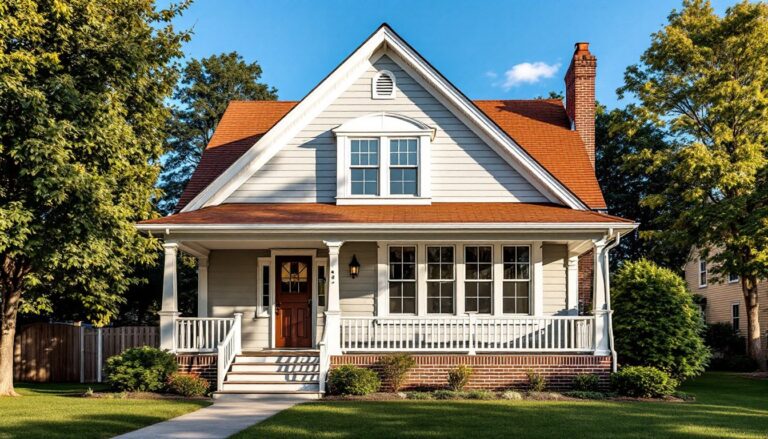

The 1970 ranch house sits at a crossroads in home renovation: classic floor plans and solid bones clash with outdated systems, cramped kitchens, and period décor that reads more “stuck in time” than “vintage charm.” A thoughtful remodel doesn’t mean erasing the era, it means updating the mechanics and layout while honoring the home’s clean lines, open sightlines, and honest materials. Homeowners tackling a 1970s ranch remodel face real challenges: electrical systems that weren’t designed for modern gadgetry, HVAC setups that struggle with open floor plans, and kitchens that need both function and fresh aesthetics. The good news is that ranch homes, with their straightforward construction and minimal ornamentation, respond beautifully to smart, targeted updates that bring them into the 21st century without obliterating their character.
Table of Contents
ToggleKey Takeaways
- A successful 1970 ranch house remodel preserves the home’s solid construction and clean lines while updating outdated systems, finishes, and mechanical infrastructure for modern living.
- Ranch homes built in the 1970s typically have adequate structural bones but struggle with 100–150 amp electrical service and HVAC systems designed for separate rooms rather than open floor plans.
- Before and after photos and documented planning help homeowners manage ambitious remodeling projects and provide clear records for contractors and future buyers.
- Open the layout strategically by removing non-load-bearing walls between kitchens and living spaces, but always hire a structural engineer and obtain permits before any demolition work.
- Kitchen and bathroom updates, alongside new lighting, fresh paint, and modern flooring, deliver the most dramatic transformations while respecting the ranch’s understated aesthetic.
- Upgrade outdated galvanized steel plumbing to copper or PEX tubing, replace popcorn ceilings, and install energy-efficient windows and roofing to improve comfort without erasing the home’s 1970s character.
Understanding the 1970 Ranch House Aesthetic
The 1970 ranch home is defined by its practical simplicity: low-pitched roof, single story (or one-and-a-half), horizontal lines, and a footprint designed around an efficient central hallway or open core. Exteriors often feature horizontal siding, ranch-style brick, or a mix of materials. Inside, you’ll find straightforward layouts with 8-foot ceilings, minimal trim details, and spaces optimized for family living rather than formal entertaining.
These homes were built to last. The structural framing is solid, typically 2×6 rafters and 2×4 studs in load-bearing walls, and the bones rarely need wholesale replacement. What dates a ranch from this era isn’t the structure but the finishes: harvest-gold appliances, dark wood paneling, orange or rust-colored tile, and popcorn ceilings that scream 1970s. When planning a remodel, the goal is to refresh these surfaces and systems while preserving the home’s authentic proportions and functional appeal.
Ranch homes were designed to be efficiently built and easily maintained. Roof lines are simple, basements (where present) are typically unfinished but spacious, and walls are plumb and square, no tricky architectural quirks that complicate renovation. This straightforward construction makes ranch homes ideal candidates for DIY-friendly updates and professional-grade renovations alike.
Common Remodeling Challenges in Mid-Century Ranch Homes
Outdated Floor Plans and Layout Issues
The 1970s obsession with separate rooms, isolated kitchen, closed-off dining room, distinct living spaces, conflicts sharply with today’s preference for open, flowing layouts. Knocking down non-load-bearing walls between the kitchen and dining area or opening the kitchen to a living space is one of the most common requests in ranch remodels. Before you swing a sledge, hire a structural engineer to confirm the wall isn’t load-bearing. If it is, you’ll need a beam, usually a steel I-beam or engineered lumber, to carry the load, and you’ll almost certainly need a building permit.
Hallway-centric floor plans also feel dated. Many 1970 ranches funnel traffic through central corridors that eat up square footage. Removing or rerouting these hallways requires careful planning around plumbing and electrical runs, but it’s often simpler than major structural work.
Mechanical and Electrical Systems That Need Updating
The electrical service in a typical 1970 ranch, often 100 or 150 amps, was adequate for the era but struggles under today’s load: multiple air-conditioning units, electric vehicle chargers, and endless devices. Many homes need a service panel upgrade to 200 amps, a job that requires a licensed electrician and a building permit. This isn’t a DIY project: power company inspections are mandatory.
HVAC systems from the 1970s were designed for those separate rooms. A central forced-air system with a single thermostat will create hot and cold zones in an open floor plan. You may need dampers, zone control systems, or supplemental heating in problem areas. The ductwork, typically made of galvanized steel or fiberglass, often needs sealing or replacement: unsealed ducts lose 20–30% of conditioned air before it reaches the room.
Plumbing is usually fine structurally, but water heaters and supply lines benefit from updating. Original galvanized steel lines may show pinhole leaks after 50+ years. Copper or PEX tubing are modern alternatives that sidestep corrosion. Water heater capacity often needs recalculation based on today’s usage patterns, showers, dishwashers, and laundry running simultaneously.
Strategic Updates That Preserve Ranch Character
Start with surface-level refreshes: paint, flooring, and lighting. A clean color palette, soft grays, warm whites, or muted earth tones, replaces harvest gold and avocado immediately. Popcorn ceilings should be removed (test for asbestos first if the home was built before 1980: if present, hire an abatement contractor). Smooth or textured drywall finishes feel contemporary without betraying the era.
Flooring is transformative. 1970s linoleum or outdated tile vanishes when replaced with luxury vinyl plank (LVP) that mimics wood or stone, or with polished concrete in utility areas. Keeping some original elements, like solid hardwood subfloors if they’re in good condition under carpeting, can be both economical and character-preserving.
Kitchen updates deserve the lion’s share of attention. Open shelving, a modern backsplash, and new cabinetry (or refaced originals) modernize fast. Stainless steel or matte black appliances replace harvest-gold relics. A professional-grade range or an island with seating ties the kitchen to the rest of the home and supports open-floor-plan living. Budget $15,000–$40,000 for a mid-range kitchen remodel depending on size and finishes.
Bathroomrefreshes, new vanities, tile work, and lighting, follow similar logic. Vintage fixtures can stay if they’re genuine mid-century finds with good bones: chrome and porcelain often look sharp cleaned up. Replace any rusted or corroded pipes and ensure ventilation ducts vent outside (not into the attic), to avoid mold and moisture damage.
Lighting is a subtle but powerful tool. 1970s fixtures were often dim, utilitarian, or dated in finish. Recessed LED fixtures provide clean light, and statement pieces, pendant lights over an island or a simple flush-mount in hallways, introduce intentional style. Dimmer switches add flexibility without major wiring work.
Exterior updates should feel measured. New siding (if needed) can match the original material and color, horizontal board, brick, or even vinyl that replicates the period look. New windows are a smart upgrade for energy and comfort: choose styles that echo the original (simple frames, moderate muntins) rather than radically reinterpreting them. Roof replacement, if needed, uses standard asphalt shingles in neutral grays or soft browns to maintain the home’s understated profile.
Documenting your project with photos and notes helps both during execution and later when you sell, buyers and contractors appreciate a clear before-and-after record. Homeowners tackling ambitious remodels should reference proven project examples: renovation sites like Young House Love and HGTV catalog real ranch transformations and design ideas. For a detailed deep-jump into period-appropriate kitchen updates, a farmhouse kitchen renovation story illustrates how thoughtful material choices and layout tweaks breathe new life into 1970s spaces while respecting the home’s original character.
Conclusion
Remodeling a 1970 ranch house is fundamentally about honoring its strengths, solid construction, efficient layouts, honest materials, while updating systems and surfaces for modern living. The most successful ranch renovations don’t erase the decade: they refresh it. Tackle permits and structural work first, then layer in cosmetic updates that feel intentional rather than trendy. When you move from harvest gold to clean finishes, from closed-off rooms to open flow, and from outdated wiring to modern capacity, you haven’t lost the ranch’s character. You’ve simply given it a practical, livable second act.