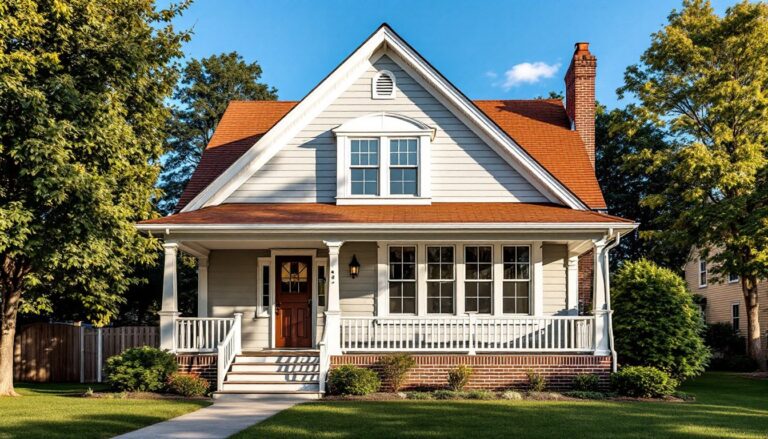

Designing a 4-bedroom house layout is more than picking wall colors, it’s about understanding how your family actually moves through space. Whether you’re building from scratch, renovating, or simply reimagining your current floorplan, the layout you choose directly impacts daily life, resale value, and how comfortable everyone feels at home. The right layout balances traffic flow, privacy, and functionality while working within your budget and building constraints. This guide walks you through the most practical 4-bedroom configurations, helping you understand the trade-offs of each approach so you can make an well-informed choice.
Table of Contents
ToggleKey Takeaways
- A 4-bedroom house layout directly impacts daily comfort, resale value, and family functionality, making it essential to balance traffic flow, privacy, and budget constraints.
- Open-concept layouts maximize light and create a spacious feel but sacrifice sound isolation and cooking odor containment, while structural work to remove load-bearing walls can cost $3,000–$8,000.
- Traditional separated layouts preserve privacy and offer renovation flexibility but use 150–200 extra square feet on hallways and may reduce natural light distribution.
- Master suite placement on the ground floor suits aging-in-place designs, while upstairs placement simplifies supervision for young children and affects long-term HVAC efficiency.
- Secondary bedrooms should measure at least 10 × 12 feet to accommodate multipurpose use (home office, nursery, or guest room), and closets should provide 6–10 feet of linear space per bedroom.
- Smart traffic flow planning—ensuring logical paths to bathrooms, stacking utilities vertically, and avoiding bedroom-to-bedroom pass-throughs—reduces construction costs and improves daily livability.
Open-Concept Layouts: Maximizing Light and Flow
Open-concept 4-bedroom layouts have become popular because they merge common living areas, kitchen, dining, and living room, into one expansive space. This approach floods the home with natural light and makes smaller-feeling homes feel larger. Traffic flow feels effortless, and you can supervise kids or entertain guests while cooking.
But, open-concept comes with genuine drawbacks. Sound carries everywhere: a blender running during someone’s video call is an actual problem. Cooking odors linger throughout the entire home. If one bedroom is near the main living area, noise and light bleed becomes a real issue.
Spatially, open-concept layouts typically push bedrooms to one or two wings. The master suite often sits away from the common area, while secondary bedrooms cluster together. This separation preserves privacy where it matters most. When planning kitchen placement, remember that load-bearing walls sometimes prevent full open layouts, you may need a structural engineer to approve beam installation. Budget $3,000–$8,000 for that work if walls need to come down.
Ventilation matters in open-concept. Invest in a quality range hood vented outside (not recirculating) and consider a whole-home ventilation system if your local code requires it. Building codes vary, so check with your local building department before framing changes.
Traditional Separated Layouts: Privacy and Defined Spaces
Traditional separated layouts use hallways and distinct room boundaries to create defined spaces. Each bedroom gets its own entry, the kitchen stays separate from living areas, and sound isolation is built in from the start. This layout suits families who cook during quiet hours, need phone call privacy, or simply prefer clear separation.
The trade-off is that separated layouts can feel choppy and waste hallway square footage. A 2,500-square-foot home with separated spaces loses maybe 150–200 square feet to corridors. Natural light is harder to distribute: bedrooms away from exterior walls may feel darker. But, these layouts are easier to renovate incrementally, you’re not demolishing load-bearing walls or coordinating complex ventilation.
In traditional layouts, the master suite typically occupies one corner, while secondary bedrooms line a hallway or occupy the opposite wing. This arrangement makes it simple to add a full bath or ensuite to the master without major structural work. Building codes don’t create special headaches here: hallways need to be at least 36 inches wide (per IRC), and bedrooms need one operable window for egress, but these are standard requirements met by most older plans.
Separated layouts also give you flexibility for future use. A formal dining room can become a home office or playroom without affecting the kitchen’s function.
Master Suite Placement: Creating Your Private Retreat
Where you place the master suite sets the tone for the entire home’s layout. Ground-floor master suites work well for aging-in-place designs or if you prefer separation from other bedrooms. Second-floor master suites let secondary bedrooms stay on one level, which simplifies supervision for families with young children.
Master suite placement affects HVAC efficiency, too. An upstairs master in a hot climate means more cooling load from bedroom windows. A ground-floor master near a south-facing wall may overheat in summer. These aren’t deal-breakers, but they influence long-term utility costs.
The most comfortable master suites have a dedicated entry (not off the main hallway), a walk-in closet, and a bathroom with at least a shower and sink in the sleeping area itself. This privacy layer is why resale buyers value master suites so highly. A 5-foot-wide entry door and a 7-foot-long walk-in closet are standard minimums: anything smaller feels cramped.
Bathroom placement within the master matters. An ensuite directly accessible from the bedroom is luxury, but a Jack-and-Jill bathroom (shared with one secondary bedroom) saves plumbing runs and costs. If your master is upstairs and far from the main water stack, expect higher plumbing material and labor costs. Running water supply and drain lines 50+ feet in a finished home can cost $1,500–$3,000 in labor alone.
Multi-Functional Room Design: Making Every Bedroom Count
In a 4-bedroom layout, not every bed room serves bedrooms forever. Design flexibility lets you accommodate changing family needs. A secondary bedroom near the master can become a nursery. A third bedroom might serve as a home office. The fourth could transition to a guest room or hobby space.
The key is sizing and placement. Bedrooms should meet code minimums (typically 70 square feet, with at least one dimension being 7 feet), but ideally secondary bedrooms measure 10 feet × 12 feet or larger. At that size, you can fit a bed, desk, dresser, and still have floor space. A 9-foot × 10-foot room feels cramped if you want multipurpose use.
Window placement in secondary bedrooms affects usability. A desk facing a window is brighter and more pleasant for work. If you’re designing a potential home office or craft room, east or north-facing windows reduce glare while providing good natural light. Avoid placing bedrooms where windows face busy streets: noise becomes a real distraction.
One practical move: ensure secondary bedrooms have ceiling height that accommodates closets without ducting or HVAC taking up half the wall. A 9-foot ceiling is comfortable: 8-foot ceilings can feel boxy if closets are deep or if a ductwork runs through the room. These details seem small until you’re trying to place furniture.
Storage Solutions and Flow Planning
A 4-bedroom layout succeeds or fails based on storage. Tight hallways and small closets create visual clutter and frustration. Most building codes require closets in bedrooms (technically, a room without a closet isn’t legally a bedroom in many jurisdictions), but code minimums are often cramped.
Linear closet space should be at least 6 feet per bedroom: 8–10 feet is comfortable. If space is tight, consider reach-in closets with double-hung rods, corner shelving units, or built-in organizers that maximize vertical space. Linen closets or coat closets in hallways reduce dependency on bedroom storage.
Flow planning means thinking like a person moving through the home. Bedrooms should never force you to cut through another bedroom to reach them. Hallway paths to bathrooms should be logical: a bathroom positioned between secondary bedrooms is more efficient than one accessible only from the master. Kitchen traffic should lead naturally from the entry or garage without cutting through dining areas.
Water and mechanical placement affects both efficiency and cost. Stacking bathrooms vertically (upstairs bathroom above downstairs bathroom) or placing a second bath near the first reduces plumbing runs and lowers construction costs. A grid of utilities behind walls is more economical than spreading plumbing throughout the home. Fine Homebuilding resources on framing detail how experienced builders use utility placement to reduce expenses while improving livability.
Adapting Layouts for Your Lifestyle
The best 4-bedroom layout depends on who’s using it and how they live. Remote workers need a quiet bedroom or dedicated office space away from main living areas. Families with teenagers benefit from secondary bedrooms clustered separately from the master, creating a “kid zone” with its own bathroom.
Multi-generational homes might place a master suite and one bedroom on the ground floor for aging parents, with secondary bedrooms upstairs for kids. Blended families sometimes need flexible layouts that let different kids have their own spaces without them feeling cramped or isolated.
Consider entertainment patterns, too. If you host frequent gatherings, open-concept kitchens with visual connection to living areas are essential. If you prefer quiet evenings, separated layouts keep cooking noise and light away from rest areas.
Home design inspiration on HGTV showcases real layouts in different home types, which can spark ideas for your specific situation. Examples like this contemporary 4-bedroom maisonette design show how architects balance bedrooms with living space in real-world projects.
Before finalizing a layout, sketch traffic patterns. Mark the path from the front entry to each bedroom, to both bathrooms, and to the kitchen. If paths feel congested or illogical, adjust walls or door placement in your design. This simple exercise often reveals problems that aren’t obvious on floor plans alone.
Conclusion
Choosing a 4-bedroom layout is an investment in how your family lives daily. Open-concept provides light and flow but sacrifices acoustics. Traditional layouts offer privacy and simplicity but use more square footage. Master placement, multi-functional room design, smart storage, and lifestyle alignment tie everything together. Take time to sketch your own patterns, walk through the flow mentally, and prioritize what matters most to your household. The right layout transforms a house into a home that works as hard as your family does.