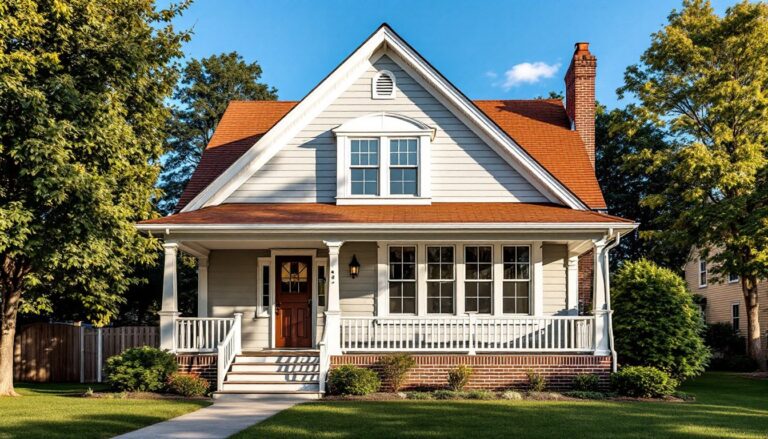

A 3-bedroom tiny house challenges the conventional wisdom that downsizing means sacrificing functionality. Unlike the trendy studio-and-loft setup, a true 3-bedroom compact home requires thoughtful design that separates sleeping quarters while keeping the overall footprint lean, typically between 800 and 1,200 square feet. Whether you’re a growing family tired of oversized mortgages, a remote worker looking to simplify, or a DIY enthusiast ready to customize your own space, understanding how these homes pack genuine bedrooms into tight square footage makes the difference between clever design and cramped quarters. This guide walks through the real mechanics of 3-bedroom tiny houses, the design strategies that actually work, and the customization moves that make them livable.
Table of Contents
ToggleKey Takeaways
- A 3-bedroom tiny house typically spans 800–1,200 square feet and requires strategic vertical stacking, load-bearing walls, and proper building code compliance to deliver genuine functionality without cramped quarters.
- Space-saving design strategies like grouped bedrooms, central bathrooms, minimal hallways, and multi-functional rooms allow 3-bedroom tiny houses to maximize usable living space efficiently.
- Essential infrastructure—full kitchen, full bathrooms, integrated laundry, adequate storage, and proper utilities—separates livable 3-bedroom tiny houses from novelty projects.
- Budget $100–200 per square foot for a finished, code-compliant 3-bedroom tiny house ($100,000–200,000 for 1,000 square feet), with foundation and framing accounting for the largest costs.
- DIY customization on non-load-bearing walls, flooring, painting, and storage projects delivers high value, but structural work, electrical rough-in, and plumbing require licensed professionals to avoid costly mistakes.
- Thoughtful layout and honest scope—not cutting corners on essentials—unlock the real savings and livability that make 3-bedroom tiny houses a sustainable alternative to oversized mortgages.
What Makes a 3-Bedroom Tiny House Different From Standard Tiny Homes
A standard tiny house, the kind you see towed down highways, typically sits around 400 square feet and works best as a one-person or couple’s retreat. Adding a third bedroom demands a different structural approach. The footprint usually expands to 800–1,200 square feet, often requiring a full second story or a modified gable layout to claim that extra sleeping space. Building codes also shift the conversation. Most jurisdictions require bedrooms to meet minimum dimensions (typically 70 square feet, with walls at least 7 feet tall), egress windows for emergency escape, and proper ceiling heights. A true 3-bedroom tiny house isn’t just a studio with a dividing wall: it’s an engineered compromise between livability and economy. You’ll encounter different framing challenges, foundation requirements, and cost structures than a minimalist 400-square-footer. The payoff is real: three separate sleep zones that actually feel like bedrooms, not glorified closets.
Space-Saving Design Strategies for Three Bedrooms
Fitting three bedrooms into a compact footprint demands discipline. Start by stacking bedrooms vertically whenever possible, loft a master suite above the living area, tuck two secondary bedrooms on the ground floor, or use the second story as a split-level to maximize ceiling height where it matters. Open floor plans sound romantic, but they’re the enemy of three functional bedrooms. You need load-bearing walls and solid separations to create genuine private spaces: this isn’t the time for Pinterest-style open concept living.
Standardized bedroom dimensions help. A 10-by-10-foot bedroom (100 square feet) clears most codes and feels livable. Teenagers and guests won’t love it, but kids’ rooms and guest quarters can get away with it. Master suites benefit from 12-by-12 feet (144 square feet) or larger if your overall square footage allows. Hallways are the silent killer of square footage efficiency: minimize them by grouping bedrooms and bathrooms. A central bathroom serving multiple bedrooms beats three separate ones, freeing up wall space for actual bedroom dimensions. Every hallway foot you eliminate translates to actual usable room size.
Multi-Functional Room Layouts and Convertible Spaces
The smartest 3-bedroom tiny homes blur the line between sleeping and living zones. A ground-floor “bedroom” might double as a home office or guest suite during the week, with a pocket door or barn door sliding shut for privacy. Loft sleeping areas work if you nail ceiling height, at least 6.5 feet at the highest point, though 7+ feet feels dramatically better. Consider a daybed or murphy bed in a secondary bedroom to create flexibility: resources like IKEA Hackers showcase creative ways to build convertible furniture that maximizes function without eating floor space. Mezzanine layouts (half-lofts) let you claim headroom in one area while keeping other zones open. This requires careful framing and post placement, but it’s a legitimate way to add sleeping area without expanding the building footprint. Wall-mounted desks, fold-down tables, and corner storage units keep multi-use rooms from feeling schizophrenic.
Essential Features and Must-Have Layouts
Beyond bedroom count, a livable 3-bedroom tiny house needs backbone infrastructure. A full kitchen and dining area, even if compact, separates functional homes from novelty projects. A 10-by-10-foot kitchen (100 square feet) is workable if appliances and workflow are planned to the inch. Invest in full-size refrigerators and standard 36-inch ranges: apartment-sized equipment feels like training wheels. One full bathroom is bare minimum: two is comfortable. Tiny houses that skimp on bathrooms become stress tests, especially with multiple occupants.
Laundry integration matters. Stacking a washer-dryer unit in a closet or corner (often 3-by-3 feet) beats hauling loads to a laundromat. Utility hookups and venting must be planned from day one, this isn’t a retrofit-friendly addition. Water heating also scales differently: a standard 50-gallon electric or gas water heater works, but point-of-use tankless units offer flexibility if space is truly precious. Storage surfaces (shelving, closets, pantry) are non-negotiable in tiny houses. Without them, three bedrooms plus family living feels like a storage unit. Dedicated closets in each bedroom (even 3-by-4-foot reach-ins) improve livability dramatically. A mudroom or entry closet prevents the living room from becoming a coat pile. Plan storage as hard as you plan sleeping areas.
Budget Considerations and Cost Breakdown
A 3-bedroom tiny house costs more per square foot than standard construction, but less in absolute dollars. Expect $100–200 per square foot for a finished, code-compliant tiny house, higher on the coast, lower in rural areas. A 1,000-square-foot 3-bedroom runs $100,000–200,000 in materials and basic labor, before land, utilities connections, or site prep. (Costs vary dramatically by region, material grade, and local labor rates: these are U.S. averages as of 2026.)
Breakdown priorities: foundation and framing eat the biggest chunks (30–35% combined). Roofing, HVAC, electrical, and plumbing each run 8–12%. Finishes (drywall, flooring, paint, fixtures) account for 20–25%. Permits and inspections often cost $2,000–5,000. The math favors DIY-friendly work: painting, basic finish carpentry, flooring installation, and cabinet assembly are reasonable for homeowners with patience and YouTube research. Structural framing, electrical rough-in (especially on mobile homes), and plumbing venting require skill or a licensed pro. Trying to save money on these backfires spectacularly. Land acquisition is separate and site-dependent, a crucial cost that often surprises first-time tiny house buyers. A useful shortcut is consulting Real Simple’s home cost guides and regional builders to reality-check your budget assumptions before committing.
Renovation and Customization Tips for DIY Homeowners
If you’re buying an existing 3-bedroom tiny house or working from a shell, customization is where DIY work pays dividends. Interior walls (non-load-bearing) are fair game for repositioning, though you’ll need a structural engineer’s blessing on any major changes. Use a stud finder before drilling or cutting, mistakes into pipes or electrical wiring are costly. Framing new walls requires 2-by-4 studs, 16-inch on-center spacing, proper blocking, and drywall finish. It’s beginner-friendly if you’re willing to learn, but undersized or poorly braced walls are obvious to inspectors.
Flooring is a popular DIY project. Vinyl plank (LVP) costs $1–3 per square foot installed and tolerates moisture far better than laminate in tiny houses where humidity can spike. Laying LVP requires a flat underlayment, patience with layout, and a miter saw or fine-tooth handsaw for cuts around door frames and corners. Painting is straightforward: primer on new drywall or stained surfaces, two coats of quality latex paint. Invest in good brushes and rollers, cheap ones shed bristles and make walls look streaky. Cabinet modifications, shelving installation, and storage hacks are excellent beginner projects. Heavy-duty toggle bolts or stud anchors secure shelves properly: drywall anchors alone fail on tiny houses where every inch of storage earns its keep. Appliance swaps and hardware updates feel like renovation with minimal structural risk. Always respect what’s genuinely structural, load paths, bearing walls, and foundation ties, and hire licensed pros for those. Small customizations compound: new hardware, paint colors, and lighting fixtures transform a dated tiny house into a personalized home at a fraction of a full reno budget. Platforms like Apartment Therapy offer inspiration for small-space makeovers that prove big results don’t require big square footage.
Conclusion
A 3-bedroom tiny house works when design prioritizes function over novelty. Separate sleeping quarters, efficient kitchen and bath placement, integrated storage, and realistic construction budgets transform a cramped idea into livable reality. Whether you’re building from the ground up, customizing an existing structure, or just exploring the possibility, the principles remain the same: respect building codes, prep like a pro, and don’t skimp on essentials like bathrooms and utilities. The savings, financial and environmental, come from thoughtful layout and honest scope, not from cutting corners on structure or liveability.