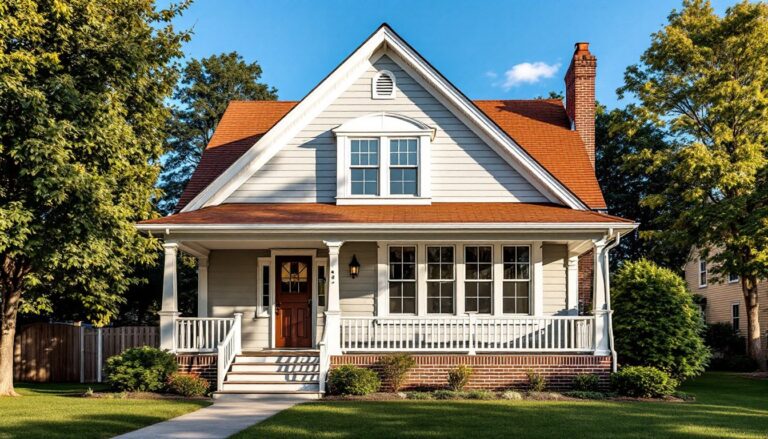

Beige remains one of the most versatile and forgiving colors for home exteriors. Whether you’re painting a cottage, updating a ranch, or refreshing a modern build, beige offers a neutral foundation that complements nearly any architectural style and landscape. Unlike trending colors that date quickly, beige holds its ground year after year, and when paired thoughtfully with accents and trim, it creates sophisticated curb appeal without looking bland. This guide walks you through proven beige color schemes, from classic combinations to contemporary takes, so you can make an informed choice before you crack open a paint can.
Table of Contents
ToggleKey Takeaways
- Beige house color schemes offer a versatile, timeless neutral foundation that complements nearly any architectural style and resists trending; always test samples on all home exposures to evaluate undertones under different lighting conditions before committing to a full exterior paint job.
- The classic beige color scheme pairing—mid-tone beige siding with crisp white trim and charcoal accents—provides professional visual contrast and consistently appeals to buyers, though proper prep work and quality exterior-grade caulk are critical to prevent water intrusion.
- Warm beige undertones harmonize beautifully with earth-tone accents and natural stone elements like chimney veneers or foundation details, creating visual coherence and working exceptionally well for Southwestern, Mediterranean, and Rustic home styles.
- A contemporary beige color scheme alternative combines soft, creamy beige with sage green shutters or doors and cream trim, offering a sophisticated, forgiving aesthetic that layers neutral tones without jarring visual transitions.
- Successful beige exterior painting requires thorough surface preparation (power-washing, caulking gaps, priming bare spots), two-coat application in proper conditions, and quality 10-year minimum rated paints; allow 30 days full cure time before exposure to heavy rain or pressure washing.
Understanding Beige as a Neutral Foundation
Beige isn’t a single color, it’s a family of warm, muted browns and taupes ranging from nearly white to deep tan. The key to a successful beige exterior is understanding undertones. Some beiges lean toward gray (cooler), others toward yellow or red (warmer). A beige with too much gray can look washed out on north-facing walls: one too warm might appear dingy in full sun.
When selecting beige, always test samples on your actual home. Paint a 2-foot-by-2-foot section on each side of the house and observe it under different lighting, morning, midday, and evening. Most beige exterior paints use acrylic latex formulations rated for 5–10 years of weather exposure. Coverage typically runs about 300–400 square feet per gallon, depending on surface texture and primer.
Beige pairs naturally with nearly any trim color, roof, and landscape material. Its neutrality is precisely why it works as a foundation. Rather than competing with your surroundings, it lets shutters, doors, stonework, and plantings shine. This versatility makes beige an excellent choice if you plan multiple updates over time, you won’t feel locked into a single color direction.
Classic Beige With White Trim and Charcoal Accents
The white trim and dark accent combo is the workhorse of residential color schemes. Crisp white trim around windows, doors, and soffit creates sharp visual definition and makes beige walls recede slightly, adding depth. Charcoal accents, typically on the front door, shutters, or a garage header, provide a grounding element and draw the eye.
To execute this scheme, choose a mid-tone beige (think honey or tan) for the main siding rather than very light cream: the contrast with white trim is cleaner. Use a semi-gloss or satin finish white on trim for durability and easy cleaning. Charcoal works best as an accent only, painting an entire wall charcoal with beige trim inverts the visual hierarchy and can feel heavy.
This combination suits Colonial, Farmhouse, Cottage, and Contemporary homes. The contrast is professional and timeless, which is why it dominates real estate listings. If you’re planning to sell, this pairing consistently tests well with buyers. For DIY painters, the prep work is critical: caulk gaps between siding and trim, sand any rough edges, and prime bare wood before top-coating. A professional-quality exterior-grade caulk rated for 30+ years prevents water intrusion and keeps paint lines sharp.
Warm Beige Paired With Earth Tones and Natural Stone
Warm beige exteriors naturally complement earth-tone accents and stone. If your home features a stone chimney, foundation, or veneer, selecting a beige with warm undertones (slightly golden or reddish) harmonizes the overall palette. Pair warm beige siding with terra-cotta, rust, or burnt orange accents in planters, window boxes, or front door stain.
Natural stone, especially when seen in foundation details or entry pillars, anchors a warm beige scheme beautifully. The mineral variations in sandstone, flagstone, or river rock pick up the warm undertones in your beige, creating visual coherence. Landscape choices matter too: golden grasses, ornamental gravel in warm tones, and warm-colored plants reinforce the earth-tone palette.
This scheme works exceptionally well for Southwestern, Mediterranean, Tuscan, and Rustic homes. If your property already has stone elements you can’t change, matching beige undertones to those materials is a smart move. A home design resource site like Home Bunch showcases numerous examples of warm beige homes paired with stonework and natural landscaping, offering visual reference as you plan. When ordering paint samples, request warm beiges explicitly: many paint brands label them “Golden Beige” or “Warm Khaki” to signal undertone direction.
Soft Beige With Sage Green and Cream Combinations
A softer, more contemporary take pairs pale or creamy beige with sage green shutters, doors, or trim accents. Sage, a muted, dusty green, complements warm neutrals without the boldness of forest or hunter green. This combination feels sophisticated and fresh, especially on farmhouse, modern, or transitional homes.
Cream or off-white trim works better with soft beige than stark white, creating a layered, subtle aesthetic rather than high contrast. If you add sage elements, perhaps painted shutters or a front door, choose a true sage rather than a yellowish or bluish green. Test your sage alongside your beige sample: some sages clash if the undertones don’t align.
The beauty of this palette is how forgiving it is under different lighting. Soft beige with cream trim never looks stark, and sage green rarely appears garish. Landscaping pairs naturally too: silvery foliage plants, white flowering shrubs, and herbaceous greens strengthen the cohesion. Resources on elevating neutral interiors with pattern and color apply to exteriors as well, layering shades of cream, beige, and green creates visual interest without jarring transitions.
How to Choose the Right Beige Shade for Your Home
Selecting the correct beige requires more than browsing paint chips. Start by photographing your home in natural daylight from all angles. Notice the roof color, trim color if it exists, any stonework, and the surrounding landscape. Your beige must coexist with these permanent elements.
Next, order at least three paint samples in different undertone families: one cool-leaning, one warm-leaning, and one neutral-leaning beige. Paint 2-foot-by-2-foot test patches on different exposures, north (shaded), south (sunny), and east or west (partial sun). Observe samples at different times of day: morning light, afternoon glare, and evening light reveal how each shade will age on your walls.
Consider your roof. A warm charcoal or brown roof pairs better with warm, golden beiges. A gray or black roof suits cool, taupe beiges. If you have existing siding or trim, match undertones to those as well. A common pitfall is choosing beige purely from an interior color wheel: exterior sun exposure and weather fade paint differently than indoor lighting. Expect the exterior color to appear slightly different from your indoor sample once applied and weathered.
If you’re unsure, consult photos of neighboring homes or check home design inspiration sites like Homify for images of similar home styles in your beige candidates. Local climate also matters, very warm regions may favor cooler beiges to counteract heat-reflection, while cool climates can carry warmer beiges without appearing too golden.
Implementing Your Beige Color Scheme
Once you’ve chosen your beige and accents, proper execution ensures a professional, durable result. Start with surface preparation: power-wash the siding to remove mildew, algae, and loose paint. Allow 48 hours for drying. Fill any cracks or gaps with exterior-grade caulk: don’t skip this step, water finds every gap and will compromise your paint and siding beneath.
Sand or scrape any peeling paint and prime bare spots with a shellac-based primer for old paint and acrylic primer for new or bare wood. A quality primer prevents staining and improves adhesion, especially on dark stains or previously painted surfaces. Use a latex-acrylic exterior primer rated for 10+ years.
Apply paint in two coats using a roller for large flat areas and a brush for trim, corners, and edges. Work in shade or morning light: applying latex paint in direct sun causes brush marks and uneven drying. Quality exterior paints (rated 10-year minimum) run $35–60 per gallon: budget accordingly. Expect to spend 20–30 hours on a 1,500 square-foot ranch, longer if scaffolding or ladder work is extensive.
For trim work, a satin or semi-gloss finish stands up better to weather than flat. Allow full cure time (typically 30 days) before heavy rain or pressure washing. If your home has multiple stories or steep roof angles, hire a professional painter rather than attempting extension ladder work yourself, safety and warranty coverage are worth the investment.
Conclusion
Beige remains a go-to choice for home exteriors because it works. Whether you layer it with crisp white and charcoal, pair it with earth tones and stonework, or soften it with sage green accents, beige provides a stable foundation for curb appeal that won’t feel dated in five years. The key is selecting the right undertone for your climate, roof, and existing materials, then committing to proper prep and application. Test before you paint, allow adequate drying time, and don’t cut corners on primer or paint quality. Your exterior will reward that diligence with years of visual appeal and weather protection.