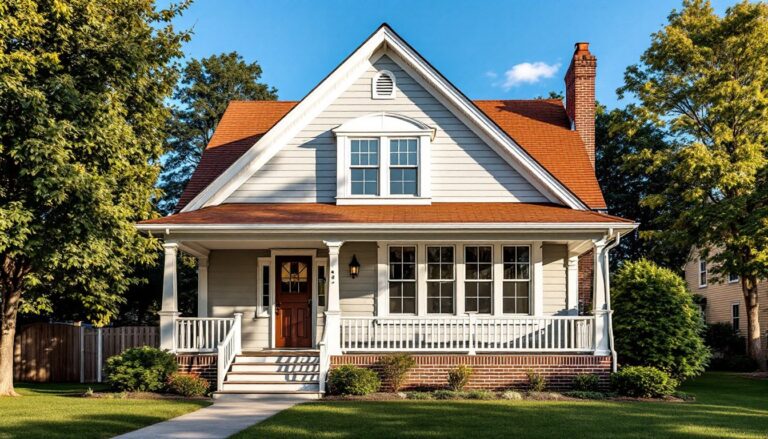

A 12×28 tiny house delivers 336 square feet of livable space, roughly the size of a two-car garage. For many people, this is enough to live comfortably, especially when the layout and design are thoughtful. Whether you’re building from scratch, renovating an existing structure, or simply curious about tiny house living, understanding how to make every inch count matters. This guide walks through the practical essentials: layout decisions, storage tactics, construction realities, and the budget realities of building smart in a footprint that demands efficiency without sacrificing livability or code compliance.
Table of Contents
ToggleKey Takeaways
- A 12×28 tiny house with 336 square feet functions best with an open floor plan that eliminates interior walls, freeing up 50+ square feet of usable living space while maximizing natural light and sightlines.
- Multi-functional furniture, vertical storage, and built-in organization are non-negotiable in a 12×28 design to avoid clutter and create distinct living zones without partitions.
- Before building, confirm local zoning laws and building code compliance for your 12×28 tiny house—many jurisdictions restrict them, and unpermitted structures can be demolished.
- A 12×28 tiny house typically costs $40,000–80,000 for materials and labor, with foundation and interior finishes consuming the largest portions of the budget.
- Strategic design choices—lofted sleeping areas, pocket doors, light colors, skylights, and layered lighting—make 336 square feet feel more spacious and livable without structural expansion.
- Prioritize insulation (R-21 walls, R-38 attics), air sealing, and proper ventilation in your 12×28 to ensure efficiency and prevent the space from feeling claustrophobic.
Understanding The 12×28 Tiny House Layout
Open Floor Plan Benefits
The most effective 12×28 layouts rely on open floor plans. Unlike a traditional house with separate rooms, combining your living, dining, and kitchen areas eliminates walls that waste precious square footage. When walls don’t divide the space, natural light travels farther, and sightlines extend from one end of the house to the other, both powerful tools for making 336 square feet feel less cramped.
Open layouts also simplify mechanical runs. Your plumbing stacks (where water lines and drains cluster vertically) and electrical chases occupy less total space when bathrooms and kitchens align on one side or share a common wall. A typical 2×6 or 2×8 stud wall eats 5.5 to 7.5 inches of depth: removing even one interior wall reclaims 50+ square feet of usable floor area.
The trade-off is acoustic isolation and privacy. Sound travels more freely in an open plan, so you’ll need to think about bedroom placement, insulation choices, and potentially soundproofing strategies if multiple people occupy the space. Many successful 12×28 designs use a lofted sleeping area, a platform above the main floor accessed by stairs or a ladder, to preserve floor-level livability while creating a semi-private retreat.
A sensible layout typically dedicates 8–10 feet to a kitchen, 10–12 feet to living and dining zones, and either 8–10 feet for a main-floor bedroom or a ladder-accessible loft with 6–7 feet of headroom at the peak. The remaining space houses a full bathroom (5×8 minimum) and a utility/mechanical closet.
Essential Design Features For Small Living
Multi-functional furniture and built-ins are non-negotiable in a 12×28 house. A kitchen island with seating on one side and storage underneath does triple duty: food prep, dining, and organization. Window seats with storage benches replace traditional side tables. Beds with drawers underneath (often called captain’s beds) hide linens and off-season clothing without consuming extra floor space.
Vertical storage is your best friend. Tall cabinets, open shelving, and wall-mounted systems draw the eye upward and use wall real estate that might otherwise sit empty. Avoid low, sprawling furniture that makes the space feel heavy and cluttered.
Color and finishes matter more in a tiny footprint. Light, neutral walls (warm whites, soft grays) reflect light and expand the visual sense of space. A single accent wall in a darker or bolder tone can add personality without overwhelming. Glossy or semi-gloss paint finishes bounce light better than flat, though they show fingerprints more readily, a practical trade-off worth weighing.
Natural light is precious. Maximize window openings relative to code (the IRC typically requires 10% of floor area to be glazed for natural light and ventilation). Skylights or roof windows over living and sleeping areas cost more upfront but dramatically improve livability. Consider the sun’s path when positioning large windows: heat gain in summer can turn 336 square feet into an oven if you’re not careful.
Lighting design goes beyond aesthetics. Layered lighting, ambient overhead fixtures, task lights over work surfaces, and accent lights for mood, makes the space feel larger and more flexible. Dimmers on main fixtures give you control over atmosphere without installing additional circuits.
Storage Solutions and Organization
In a 12×28 house, every square inch of wall space is potential storage. Built-in cabinets, shelves, and closets should be planned during the design phase, not added as afterthoughts. A pantry built into the knee wall (the short wall created by a sloped roof) or integrated into the kitchen perimeter stores dry goods without eating into your main living area.
Curb the temptation to overstuff. Tiny living forces prioritization: keep what you use regularly and what brings you joy, per Marie Kondo or similar principles. Real Simple’s home organization strategies offer proven decluttering and containment methods that work especially well in compact spaces. Rotating seasonal items (winter coats, holiday decorations) into a small external shed or under-house storage keeps your interior breathing.
Closet design is critical. A single bedroom or loft needs a closet rod, shelves, and hooks coordinated thoughtfully. Bifold doors or pocket doors (which slide into the wall cavity) save swing space compared to standard hinged doors. In a 12×28 layout, 3–5 feet of wall width devoted to a closet is typical: ensure the closet depth accommodates hangers plus shelf depth (typically 14–16 inches) and leaves walkway room.
Under-stair storage (if you have stairs to a loft) is valuable real estate. Drawers that pull out or hinged doors that open upward can store off-season clothing, tools, or household items. The space must be accessible and properly ventilated to prevent musty odors.
Building and Construction Considerations
A 12×28 tiny house must meet local building codes, even if it sits on a trailer. Before breaking ground or laying a foundation, confirm zoning, setback requirements, and whether your area permits tiny houses at all. Many jurisdictions restrict them: others welcome them as ADUs (accessory dwelling units). This is not optional, unpermitted structures can be ordered demolished.
Foundation choices affect cost and permanence. A concrete slab-on-grade is the cheapest and simplest for a fixed tiny house, running roughly $4–8 per square foot in materials and basic labor. Trailers (if mobile) add $15,000–30,000 but offer flexibility. Raised pier or post foundations work in wet climates and cost $8,000–15,000 for a 12×28 footprint, depending on frost-line depth and soil conditions.
Framing a 12×28 structure is straightforward: standard 2×4 studs spaced 16 inches on-center (OC) for walls, 2×8 or 2×10 floor joists spaced 16″ OC (or 12″ if you want less bounce), and roof trusses or stick-framed rafters. Expert framing techniques for compact designs cover load paths, loft support, and structural details specific to this size. A lofted sleeping area requires solid structural support, the loft floor is typically a 2×6 or 2×8 beam spanning the width, with posts or the wall below carrying the load.
Insulation and air sealing are critical in tiny houses because thermal mass is minimal. Use R-21 or R-23 batts in walls (2×6 exterior walls allow R-21 easily), R-38 in attics, and R-15 minimum under floors. Caulk and seal every penetration (electrical outlets, plumbing, HVAC ducts) to prevent drafts. Exterior air barriers (housewrap or rigid foam) prevent moisture intrusion, especially important if you plan to heat or cool efficiently.
Cost Breakdown and Budget Planning
Building a 12×28 tiny house typically costs $40,000–80,000 for materials and basic labor (DIY or partial DIY can reduce this significantly). Here’s a rough breakdown per category:
Foundation & site prep: $5,000–15,000 depending on soil and access.
Framing (lumber, fasteners, labor): $8,000–12,000.
Roof (materials, shingles, labor): $4,000–7,000.
Windows & doors (4–6 windows, 1–2 exterior doors): $4,000–8,000.
Plumbing & electrical rough-in: $6,000–10,000 (varies by permit and inspector requirements).
HVAC (mini-split heat pump or small furnace): $3,000–6,000.
Interior finish (drywall, flooring, paint, trim): $8,000–15,000.
Appliances & fixtures: $3,000–6,000.
Permits & inspections: $800–2,500 (varies widely by jurisdiction).
Costs climb if you hire licensed trades for electrical, plumbing, and HVAC, which you should unless you hold those licenses yourself. A single permit violation or code failure can force expensive rework, so upfront compliance pays.
Material sourcing matters. Lumber prices fluctuate: buying a complete package from a kit supplier sometimes saves 10–15% versus sourcing materials piecemeal. Reclaimed or discount materials (drywall from returns, flooring seconds) trim costs without sacrificing durability if you’re selective.
Making Your 12×28 Tiny House Feel Spacious
Perception matters as much as actual square footage. Small space living ideas from design professionals emphasize continuous flooring (no carpet-to-tile transitions that break up sight lines), minimal visual clutter, and a consistent color palette throughout.
Floor plan flow is critical. A long, narrow 12×28 footprint can feel tunnel-like if you’re not careful. Position furniture to create conversation areas, not long sight lines. A strategically placed bookshelf, half-wall, or kitchen peninsula breaks up the run without fully blocking sightlines or natural light.
Mirrors enlarge a space visually and reflect light. A full-length mirror opposite a window bounces daylight deeper into the house. Avoid mirror overdose, one or two well-placed pieces feel intentional, not like a funhouse.
Slider or pocket doors consume less swing space than hinged doors. In a 336-square-foot house, a standard hinged door can consume 10+ square feet when you account for the door swing plus clearance space needed to open and close safely. Pocket doors and barn sliders take up wall thickness only.
Bedroom placement and size affect how lived-in the space feels. A dedicated bedroom with a closable door (even a modest 8×8) gives users a private retreat. A lofted sleeping area is cheaper and saves floor space but sacrifices true privacy. Either approach works if it matches your lifestyle.
Ventilation and air quality make a tiny house feel breathable rather than claustrophobic. A properly sized range hood over the cooktop, bathroom exhaust fans, and operable windows are essential, not luxuries. Stale indoor air makes any space feel cramped, no matter how well-designed.