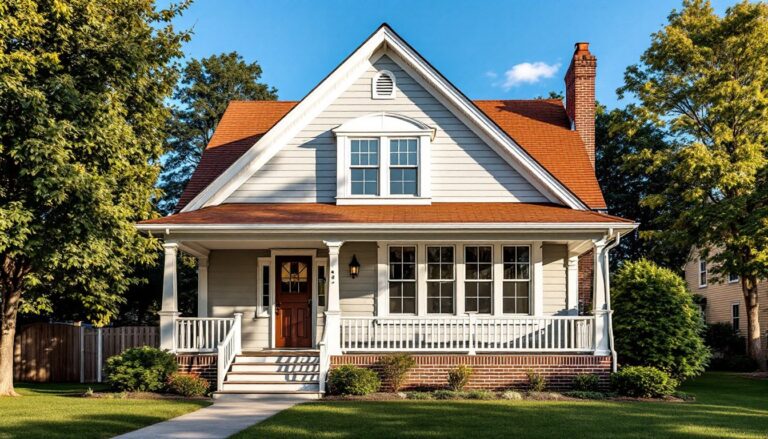

The best house hacking strategies let homeowners live for free, or close to it, while building real estate wealth. House hacking turns a primary residence into an income-producing asset. Renters cover the mortgage, and the owner builds equity without the financial strain of traditional homeownership.
This approach works for first-time buyers, seasoned investors, and everyone in between. The concept is simple: buy a property, live in part of it, and rent out the rest. The rental income offsets housing costs, freeing up cash for savings, investments, or paying down debt faster.
House hacking has gained popularity because it solves two problems at once. It reduces living expenses and creates a path to real estate investing without requiring a massive down payment on an investment property. For many, it’s the first step toward financial independence.
Table of Contents
ToggleKey Takeaways
- The best house hacking strategies let homeowners live for free or nearly free by renting out portions of their primary residence.
- Multi-family properties (duplexes, triplexes, fourplexes) qualify for residential financing with lower down payments as low as 3.5% through FHA loans.
- Renting individual rooms generates higher income than renting to a single tenant, potentially earning 20-60% more monthly.
- Location, property layout, and cash flow potential are critical factors when choosing the right property for house hacking.
- House hacking offers significant tax advantages, including deductions for mortgage interest, property taxes, insurance, and depreciation on rental portions.
- Short-term rentals through platforms like Airbnb can maximize income but require more hands-on management and attention to local regulations.
What Is House Hacking and How Does It Work
House hacking is a real estate strategy where owners rent out portions of their primary residence. The rental income helps pay the mortgage, property taxes, and maintenance costs. In many cases, it eliminates housing expenses entirely.
Here’s how it works in practice. A buyer purchases a property, often a duplex, triplex, or single-family home with extra bedrooms. They live in one unit or room and rent out the others. The tenants’ rent payments cover most or all of the owner’s housing costs.
The math behind house hacking is straightforward. Say someone buys a duplex for $350,000 with a monthly mortgage payment of $2,200. If they rent the other unit for $1,800, their effective housing cost drops to $400 per month. That’s a significant difference compared to renting an apartment or owning a traditional single-family home.
House hacking also offers tax advantages. Owners can deduct mortgage interest, property taxes, insurance, and depreciation on the rental portion of their property. These deductions reduce taxable income and improve overall returns.
The strategy works best in markets where rental demand is strong and property prices are reasonable. College towns, urban areas with young professionals, and cities with growing job markets tend to offer solid house hacking opportunities.
Top House Hacking Methods for Beginners
Several house hacking methods exist, and the best one depends on the investor’s goals, budget, and comfort level with tenants. Here are three popular approaches.
Rent by the Room
Renting individual rooms generates more income than renting to a single tenant. A four-bedroom house might rent for $2,000 to one family. But renting each room separately could bring in $600-$800 per room, potentially $2,400-$3,200 total.
This method requires screening roommates carefully. Owners live alongside their tenants, so compatibility matters. It’s a good option for single buyers or those comfortable with shared living spaces.
The downside? Less privacy. But for someone focused on maximizing cash flow, rent-by-the-room house hacking delivers strong returns.
Multi-Family Property Investing
Buying a duplex, triplex, or fourplex is the classic house hacking approach. The owner lives in one unit and rents the others. Multi-family properties with up to four units qualify for residential financing, which means lower down payments and better interest rates than commercial loans.
A triplex works especially well. Two rental units can often cover the entire mortgage, leaving the owner’s unit essentially free. When they eventually move out, all three units generate rental income.
Multi-family house hacking builds equity faster and creates a clear path to scaling a real estate portfolio.
Short-Term Rental Arbitrage
Short-term rentals through platforms like Airbnb or VRBO can generate higher income than traditional leases. A spare bedroom, basement apartment, or guest house becomes a mini hotel.
In tourist-heavy areas or cities with frequent business travelers, nightly rates add up quickly. A room that might rent for $800 per month could earn $100-$150 per night on a short-term basis.
This house hacking method requires more work. Cleaning, guest communication, and turnover take time. Local regulations also vary, some cities restrict short-term rentals. But for those willing to put in the effort, the income potential is significant.
How to Choose the Right Property for House Hacking
Property selection determines whether a house hacking investment succeeds or struggles. Several factors matter.
Location drives rental demand. Properties near universities, hospitals, downtown areas, or major employers attract reliable tenants. Research vacancy rates in the neighborhood before buying.
Layout affects livability for both owner and renters. Separate entrances, dedicated bathrooms, and distinct living spaces make multi-unit living more comfortable. A duplex with side-by-side units feels different than one where tenants walk through common areas.
Numbers must work from day one. Calculate the expected rental income and subtract the mortgage payment, insurance, property taxes, and maintenance costs. The best house hacking deals produce positive cash flow or at least break even after all expenses.
Condition impacts upfront costs and ongoing maintenance. A move-in-ready property costs more but avoids renovation headaches. A fixer-upper might offer better returns but requires time, money, and skills to improve.
Future potential matters too. Can the property be converted to a full rental later? Will the area appreciate over time? House hacking is a long-term wealth-building strategy, so think beyond the first year.
Run the numbers conservatively. Assume 8-10% of rental income goes to maintenance and repairs. Factor in vacancy, even great properties sit empty occasionally.
Financing Options for House Hackers
House hacking offers financing advantages that pure investment properties don’t. Because the buyer lives in the property, they qualify for owner-occupied loan programs with better terms.
FHA loans allow down payments as low as 3.5% on properties with up to four units. Credit requirements are more flexible than conventional loans. This makes FHA financing popular among first-time house hackers.
Conventional loans require higher down payments, typically 5-20%, but avoid mortgage insurance once equity reaches 20%. They work well for buyers with strong credit and savings.
VA loans offer zero-down financing for eligible veterans and active military members. VA loans can be used on multi-family properties up to four units, making them ideal for house hacking.
House hacking with low money down is one of the strategy’s biggest advantages. A 3.5% down payment on a $300,000 triplex is $10,500. Compare that to the 25% down ($75,000) typically required for an investment property loan.
Lenders count projected rental income when qualifying borrowers. This helps buyers afford more expensive properties than they could on income alone. Most lenders use 75% of expected rent in their calculations.
First-time buyers should get pre-approved before house hunting. Understanding the budget helps narrow property searches and strengthens offers in competitive markets.