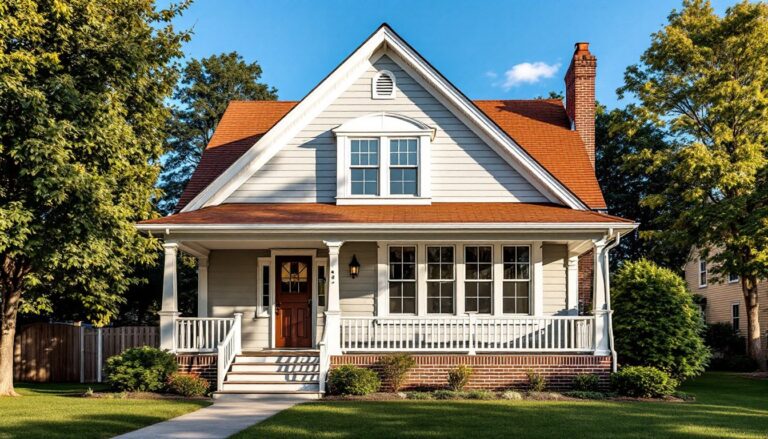

Big tiny houses represent a modern evolution in residential design, they blend the affordability and simplicity of tiny homes with generous, thoughtfully planned interiors that don’t feel cramped. Whether you’re downsizing, seeking a sustainable lifestyle, or simply working within a smaller footprint, a big tiny house proves that square footage doesn’t determine livability. This guide walks you through design strategies, renovation techniques, and interior tricks that make these compact spaces feel open and functional. By the end, you’ll have concrete tactics to apply to your own big tiny house project.
Table of Contents
ToggleKey Takeaways
- Big tiny houses range from 600–1,200 square feet and combine the affordability of tiny homes with spacious, efficiently planned interiors that feel open and functional.
- Vertical storage solutions—including floor-to-ceiling shelving, built-in cabinetry, and wall-mounted furniture—maximize usable space without consuming valuable floor area.
- Multi-functional furniture and open floor plans are essential in big tiny house design; a sofa with hidden storage or an island with dual purpose eliminates wasted square footage.
- Light, neutral wall colors, natural windows, and layered lighting create the illusion of greater space while decluttering amplifies the sense of openness.
- Smart renovation choices like galley kitchens, floating vanities, pocket doors, and platform beds with storage drawers transform compact spaces into genuinely livable homes.
- Designing a big tiny house means planning every square foot with intention, ensuring the home works with how you actually live rather than forcing you into an uncomfortable footprint.
What Is A Big Tiny House?
A big tiny house sits at the intersection of two housing trends: traditional tiny homes (typically 400–600 square feet) and downsized, efficient full-size homes. Most big tiny houses range from 600–1,200 square feet, offering more breathing room than a classic tiny home while maintaining lower building and maintenance costs than standard suburban houses.
The philosophy is straightforward: eliminate wasted hallway space, combine functions (a kitchen-dining-living zone instead of separate rooms), and use every inch intentionally. Unlike a cramped apartment, a big tiny house is designed from the ground up with flow and openness in mind. You’re not just squeezing a standard home into fewer feet, you’re reimagining how people actually live.
These homes appeal to first-time buyers, empty-nesters, remote workers, and anyone tired of paying for space they don’t use. They also reduce utility costs, simplify maintenance, and create a tighter connection between inhabitants and their environment.
Key Design Strategies For Spacious Interiors
Vertical Storage Solutions
When floor area is limited, walls become your greatest asset. Vertical storage transforms wasted wall space into functional zones without eating into the floor plan. Install shelving from floor to ceiling in living areas, kitchens, and bedrooms, this visual continuity makes rooms feel taller and more organized.
Built-in cabinetry is a workhorse strategy. Instead of freestanding bookcases or dressers that eat into open floor space, recessed cabinets and shelves tucked between studs feel integrated and seamless. In kitchens, tall pantry cabinets maximize storage density. For bedrooms, floor-to-ceiling closet systems with adjustable shelves triple usable storage compared to standard rods.
Wall-mounted desks, fold-down tables, and hanging rails for coats or kitchen tools further exploit vertical real estate. The payoff is clear: your floor remains open and uncluttered, which is the visual key to making any small space feel larger.
Multi-Functional Furniture And Layouts
In a big tiny house, every piece must earn its keep. A sofa with built-in storage underneath serves triple duty, seating, sleeping (if it’s a sleeper), and hidden storage. Ottomans with hinged tops store blankets and toys. Islands with seating on one side and open shelving on the other become a kitchen anchor that’s far more efficient than a separate dining table.
Open floor plans are non-negotiable. Knocking down a wall between the kitchen and living area (confirm it’s not load-bearing and check local building codes first, many jurisdictions require a permit for this work) creates visual flow and lets one person cook while staying connected to family or guests. This layout eliminates the feeling of isolation that comes with traditional enclosed kitchens.
Furniture placement matters as much as the pieces themselves. Floating furniture (sofas and beds not pushed against walls) paradoxically makes small spaces feel bigger because it defines zones and creates visual sightlines. A console table behind a sofa divides living and sleeping areas without a wall, giving each zone a sense of purpose.
Interior Design Tips To Make Small Spaces Feel Larger
Color and light are the invisible architects of perceived space. Light, neutral walls (white, soft gray, warm beige) reflect natural and artificial light, making rooms feel airier. A single accent wall in a deeper tone adds personality without overwhelming the senses. Keep trim, ceilings, and major surfaces light to maintain that open feel.
Natural light is worth its weight in gold. Maximize windows, use sheer curtains that diffuse light without blocking it, and install skylights or clerestory windows if renovation is in the cards. Mirrors placed opposite windows amplify daylight and create the illusion of additional depth, this is a trick that costs nothing but delivers measurable results.
Lighting layers prevent the dungeon effect. Overhead lights alone create harsh shadows: instead, layer overhead fixtures with task lighting (under-cabinet strips in the kitchen, bedside lamps) and ambient light (wall sconces, floor lamps). This flexibility lets you adjust mood and brightness to match the time of day and activity.
Decluttering isn’t decoration, but it’s essential. The “one in, one out” rule keeps possessions proportional to space. Real Simple’s guides on decluttering offer practical frameworks for letting go. Textiles, books, and kitchen gadgets are common culprits, be ruthless. What you don’t see feels like bonus square footage.
Hardware choices matter more in small spaces. Sleek handles and hidden hinges keep visual noise low. Floating vanities and wall-mounted toilets in bathrooms open up the floor. Glass shelves instead of solid wood reduce visual weight. These micro-decisions compound into a significantly lighter, airier feel.
Building And Renovation Ideas For Big Tiny Homes
If you’re building from scratch or renovating, prioritize infrastructure that supports flexible living. Plumbing and electrical rough-in should anticipate future layout changes, running conduit and rough-in supplies slightly oversized costs little now but prevents headaches later.
Kitchens demand smart planning. A galley layout (cabinets and appliances on opposite walls, facing each other) is the most efficient use of linear space. An island works if it has genuine utility, seating, storage, prep surface, not as visual filler. Kitchen design ideas from The Kitchn showcase how professional designers maximize compact cooking spaces. Appliance selection matters: a 30-inch stove, compact dishwasher, and under-counter microwave leave room for storage and movement.
Bathrooms should include a shower-tub combo or a walk-in shower (depending on preference and square footage) rather than separate tub and shower enclosures. A pedestal sink or floating vanity with leg space underneath makes the room feel less boxed-in compared to a traditional vanity cabinet.
Bedrooms in big tiny houses often measure 10×12 to 12×14 feet. A platform bed with storage drawers underneath replaces a nightstand and provides hidden storage. Clothes storage is critical here, built-in closet systems with adjustable shelves, pull-down rods, and accessory organizers prevent closet overflow from spilling into the bedroom. House hacking tips demonstrate how efficient storage and multi-functional spaces can stretch utility and reduce the overall footprint you need.
Floor-to-ceiling windows or glass doors between rooms (kitchens and living areas, or bedrooms and bathrooms with frosted glass for privacy) maintain sight lines and reduce the sense of walls closing in. Install pocket doors wherever possible, they slide into the wall cavity and save the 2 feet of swing space that traditional hinged doors require.
Insulation and sound control matter more in compact homes where different activities happen closer together. Consider resilient channels and sound-dampening drywall to minimize noise transfer between bedroom and kitchen or between units if it’s a multifamily big tiny house. This investment pays dividends in daily comfort.
Designs like those featured on Apartment Therapy often highlight adaptive reuse and creative small-space solutions that inform real renovation work. Studying published home tours trains your eye for what actually works versus what only looks good in photos.
Conclusion
Big tiny houses succeed when every square foot is planned with intention. Vertical storage, multi-functional layouts, smart color and lighting choices, and thoughtful renovation details transform a modest footprint into a genuinely livable, pleasant home. The key is designing for how you actually live, not forcing yourself into a space that fights you. Start with these principles on your next project, and you’ll find that a smaller home doesn’t mean a smaller life, it just means a more purposeful one.