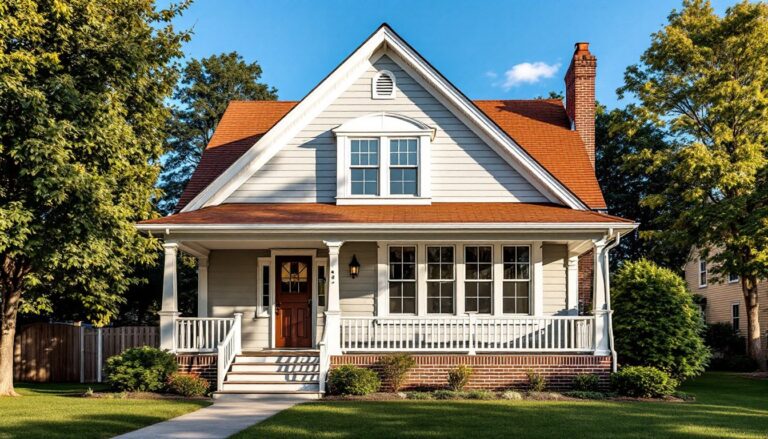

House hacking examples show how property owners can offset or eliminate their housing costs through creative rental strategies. The concept is simple: buy a property, live in part of it, and rent out the rest. Some house hackers cover their entire mortgage payment. Others reduce their monthly expenses by 50% or more.
This approach works for first-time buyers, experienced investors, and everyone in between. The key is choosing a strategy that fits your property, lifestyle, and local market. Below are proven house hacking methods that real people use to build wealth while keeping a roof over their heads.
Table of Contents
ToggleKey Takeaways
- House hacking examples include renting spare bedrooms, buying multi-family properties, building ADUs, and listing short-term rentals.
- Renting out spare rooms can reduce your mortgage payment by $1,000 or more monthly with minimal upfront investment.
- Multi-family properties let you live in one unit while tenants pay your mortgage—FHA loans require just 3.5% down.
- Accessory dwelling units (ADUs) and basement conversions can generate 15-30% annual returns on construction costs.
- Short-term rentals through Airbnb often earn more than long-term tenants, especially in tourist-heavy areas.
- Always check local zoning laws and regulations before pursuing any house hacking strategy.
Renting Out Spare Bedrooms
Renting out spare bedrooms is the most accessible house hacking example for single-family homeowners. Someone with a three-bedroom home who only uses one bedroom can rent the other two. At $600 per room, that’s $1,200 monthly toward the mortgage.
This strategy requires minimal upfront investment. The home is already purchased. The rooms already exist. Landlords simply need to find compatible tenants and establish clear house rules.
A few practical considerations matter here:
- Screen tenants carefully. Living with strangers demands trust. Background checks and references help.
- Set boundaries. Define shared spaces, quiet hours, and guest policies upfront.
- Know local laws. Some cities restrict the number of unrelated adults who can share a home.
The math often works in the owner’s favor. A homeowner with a $1,800 mortgage who rents two rooms at $700 each collects $1,400. They now pay just $400 per month to live in their own home. That’s a house hacking win.
This approach suits people comfortable with roommates. It’s less ideal for families or those who value privacy above all else. But for young professionals or social homeowners, spare bedroom rentals offer immediate cash flow without buying additional property.
Buying a Multi-Family Property
Multi-family properties represent the classic house hacking example. A buyer purchases a duplex, triplex, or fourplex. They live in one unit and rent out the others. Rental income covers the mortgage, sometimes with cash left over.
The numbers can be impressive. Consider a triplex purchased for $400,000 with a $2,400 monthly mortgage. If two rental units each bring in $1,400, the owner collects $2,800. They live for free and pocket $400 monthly.
FHA loans make this strategy more accessible. Buyers can purchase properties with up to four units using just 3.5% down, as long as they occupy one unit. That’s a $14,000 down payment on a $400,000 property. Compare that to the 20-25% typically required for pure investment properties.
Multi-family house hacking offers several advantages:
- Separate living spaces. Tenants have their own entrances, kitchens, and bathrooms.
- Higher rental income. Multiple units generate more cash flow than single rooms.
- Property appreciation. Multi-family homes often appreciate while building equity.
The challenges are real too. Multi-family properties cost more upfront. They require landlord responsibilities, maintenance calls, tenant turnover, and occasional headaches. But for those willing to learn property management basics, this house hacking example builds serious wealth.
Many successful real estate investors started with a duplex or triplex. They lived in it for a few years, then moved to another property and repeated the process. Over time, they accumulated rental properties while never paying rent or a mortgage themselves.
Accessory Dwelling Units and Basement Rentals
Accessory dwelling units (ADUs) and basement apartments create rental income from existing single-family homes. These house hacking examples transform unused space into cash flow.
An ADU is a separate living unit on the same property as a primary home. It might be a converted garage, a backyard cottage, or an above-garage apartment. Basement rentals work similarly, an underused lower level becomes a legal rental unit with its own entrance, kitchen, and bathroom.
Construction costs vary widely. A basic basement conversion might run $30,000 to $50,000. A detached backyard ADU could cost $100,000 or more. But the return on investment can be substantial. An ADU renting for $1,200 monthly generates $14,400 annually. That’s a potential 15-30% return on the construction investment.
Some cities actively encourage ADU development. California, Oregon, and Washington have loosened zoning restrictions. Portland allows ADUs on most residential lots. Los Angeles has seen a boom in garage conversions and backyard units.
Before building, owners should:
- Check local zoning codes. Not all areas permit ADUs or basement rentals.
- Verify building requirements. Separate entrances, egress windows, and proper utilities are often mandatory.
- Calculate the investment. Construction costs must make sense against expected rental income.
This house hacking approach works well for homeowners in high-rent markets. A $50,000 basement renovation that generates $1,500 monthly creates immediate cash flow and long-term property value. The homeowner stays in their current home while adding a profitable rental unit.
Short-Term Rental Strategies
Short-term rentals through platforms like Airbnb and VRBO offer another house hacking path. Homeowners rent out rooms, entire floors, or guest houses to travelers. Nightly rates often exceed monthly rental equivalents.
The income potential is significant. A spare bedroom in a popular tourist area might rent for $80-150 per night. At 50% occupancy, that’s $1,200 to $2,250 monthly, often more than a long-term tenant would pay.
Some house hackers take this further. They travel for work or vacation and rent their entire home while away. Others convert garages or ADUs into dedicated short-term rental spaces.
Short-term rental house hacking requires more active management:
- Guest communication. Check-ins, questions, and issue resolution happen frequently.
- Cleaning and turnover. Units need preparation between guests.
- Listing optimization. Photos, descriptions, and reviews affect booking rates.
Regulations vary significantly by location. Some cities ban or restrict short-term rentals. Others require permits, occupancy limits, or tax collection. House hackers should verify local rules before listing any property.
The right property in the right market can generate impressive returns. A home near a beach, downtown area, or major attraction attracts travelers willing to pay premium rates. Combined with smart pricing and solid reviews, short-term rentals can cover mortgage payments and then some.
This house hacking example suits people who enjoy hospitality and don’t mind the extra effort. It’s less passive than long-term rentals but potentially more profitable.