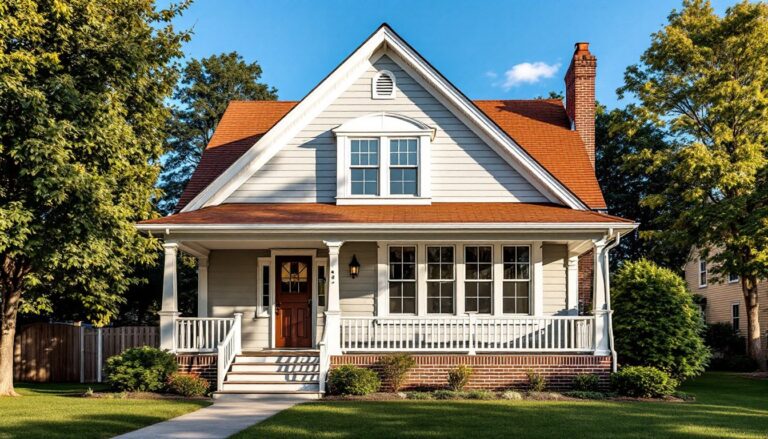

House hacking for beginners offers a straightforward path to reducing housing costs and building long-term wealth. The concept is simple: buy a property, rent out part of it, and let tenants cover your mortgage. Thousands of first-time investors use this strategy to eliminate their largest monthly expense. Some even generate positive cash flow from day one.
This approach works because it combines two powerful financial moves. Homeowners build equity while simultaneously creating rental income. The result? A faster route to financial freedom than traditional homeownership or pure rental property investing alone. Here’s everything beginners need to know to get started.
Table of Contents
ToggleKey Takeaways
- House hacking for beginners involves buying a property, living in it, and renting out part of it to offset or eliminate your mortgage payment.
- Popular house hacking strategies include renting spare bedrooms, purchasing multi-family properties (duplexes to fourplexes), adding accessory dwelling units, or using short-term rental platforms.
- Owner-occupied financing options like FHA loans allow beginners to start with as little as 3.5% down on properties with up to four units.
- Successful house hacking requires researching markets with strong rental demand and calculating whether projected rent covers 50–100% of total housing expenses.
- While house hacking reduces housing costs and builds equity, beginners should prepare for landlord responsibilities, less privacy, and potential tenant-related challenges.
- For those willing to trade some comfort for financial gains, house hacking offers a practical entry point into real estate investing and accelerated wealth building.
What Is House Hacking?
House hacking is a real estate investment strategy where the owner lives in a property while renting out portions of it. The rental income offsets the mortgage payment, property taxes, and other housing expenses. In many cases, house hacking allows owners to live rent-free or even profit each month.
The term gained popularity in the early 2010s among real estate investors and the FIRE (Financial Independence, Retire Early) community. But the practice itself is nothing new. Families have taken in boarders and renters for generations.
What makes house hacking different from simply having a roommate? Intent and structure. House hackers approach the arrangement strategically. They choose properties specifically for their rental potential. They calculate expected returns before purchasing. And they treat the venture as an investment, not just a way to split bills.
House hacking works with several property types. The most common include:
- Single-family homes with extra bedrooms or basement apartments
- Duplexes, triplexes, and fourplexes (multi-family properties)
- Homes with accessory dwelling units (ADUs) like guest houses or converted garages
Each option has different advantages depending on location, budget, and personal preferences. The key is finding a property where rental income can cover a significant portion of monthly costs.
Popular House Hacking Strategies
Several house hacking strategies have proven effective for beginners. The right choice depends on comfort level, local market conditions, and available capital.
The Room Rental Method
This is the simplest form of house hacking. The owner purchases a single-family home and rents spare bedrooms to tenants. A three-bedroom house with two rented rooms can generate $1,000–$2,000 monthly in many markets. The downside? Sharing common spaces with strangers requires flexibility and clear boundaries.
The Multi-Family Method
Buying a duplex, triplex, or fourplex offers more separation between living spaces. The owner occupies one unit and rents the others. Properties with up to four units still qualify for residential financing, which typically offers better interest rates and lower down payments than commercial loans.
A duplex purchase might work like this: Buy for $350,000 with an FHA loan (3.5% down). Live in one unit. Rent the other for $1,500/month. If total housing costs equal $2,200/month, that rental income covers nearly 70% of expenses.
The ADU Strategy
Accessory dwelling units, backyard cottages, garage conversions, or basement apartments, provide income without sharing walls. Some house hackers buy properties with existing ADUs. Others build or convert space after purchase. This strategy offers more privacy but often requires higher upfront investment.
Short-Term Rental House Hacking
Platforms like Airbnb and VRBO enable another approach. Owners rent spare rooms or entire units on a nightly basis. This method can generate higher income than traditional rentals but demands more active management. Local regulations vary significantly, so beginners should research short-term rental laws before committing.
How to Get Started With Your First House Hack
Starting a house hack requires preparation, but the process is manageable for most first-time buyers. Here’s a step-by-step approach.
Step 1: Assess finances and get pre-approved
House hacking begins with understanding purchasing power. Check credit scores, calculate debt-to-income ratios, and save for a down payment. FHA loans require as little as 3.5% down for owner-occupied properties with up to four units. Conventional loans may require 5–20% depending on the lender.
Step 2: Research target markets
The best house hacking markets have strong rental demand and reasonable purchase prices. Look for areas near universities, hospitals, or major employers. Compare rent prices to mortgage costs. A property works for house hacking when projected rent covers 50–100% of total housing expenses.
Step 3: Find the right property
Work with a real estate agent familiar with investment properties. Focus on properties with rental history or clear rental potential. Run the numbers on every serious candidate. Calculate expected cash flow, vacancy rates, and maintenance costs.
Step 4: Secure financing
Owner-occupied loans offer significant advantages for house hacking. FHA, VA (for veterans), and conventional loans all work. The key is purchasing a property the buyer will live in as a primary residence for at least one year.
Step 5: Become a landlord
Once closed, prepare the rental space. Screen tenants carefully. Use written lease agreements. Understand landlord-tenant laws in your state. Many house hackers hire property managers for larger units, though self-management is common for smaller setups.
Pros and Cons of House Hacking
House hacking offers clear benefits, but it’s not perfect for everyone. Understanding both sides helps beginners make informed decisions.
Advantages
- Reduced housing costs: Rental income directly lowers or eliminates mortgage payments
- Lower barriers to entry: Owner-occupied financing requires smaller down payments than investment property loans
- Forced savings through equity: Monthly payments build ownership stake in an appreciating asset
- Real estate education: House hacking teaches landlord skills with lower risk
- Tax benefits: Owners can deduct mortgage interest, property taxes, depreciation, and rental expenses
Disadvantages
- Less privacy: Sharing property with tenants means proximity to others
- Landlord responsibilities: Maintenance calls, tenant issues, and legal obligations come with the territory
- Location constraints: The best investment property may not be in the most desirable neighborhood
- Tenant risk: Vacancies, late payments, or property damage can affect cash flow
- Lifestyle adjustments: Living near tenants requires boundaries and professionalism
For many beginners, the financial benefits outweigh the inconveniences. House hacking works best for those willing to trade some comfort for accelerated wealth building.