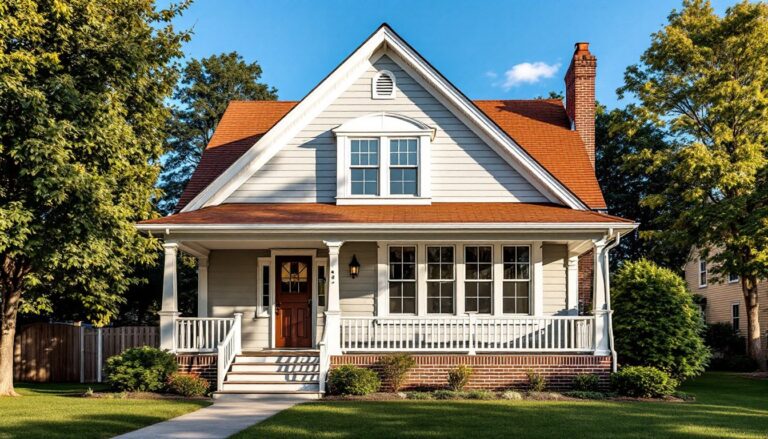

House hacking ideas have helped thousands of homeowners slash their monthly expenses, or eliminate them entirely. The concept is simple: use your property to generate income that offsets your mortgage, taxes, and maintenance costs. Some house hackers live rent-free. Others pocket extra cash each month.
This strategy works for first-time buyers, experienced investors, and everyone in between. Whether someone owns a single-family home or plans to purchase a duplex, house hacking offers a practical path to financial freedom. The following sections break down the most effective approaches and explain how to start.
Table of Contents
ToggleKey Takeaways
- House hacking ideas help homeowners reduce or eliminate housing costs by generating rental income from their primary residence.
- Renting out spare rooms is the easiest house hacking strategy, requiring minimal investment while potentially earning $400–$1,500 per month.
- Buying a multi-family property (duplex, triplex, or fourplex) allows owners to live in one unit while rental income covers most or all of the mortgage.
- Short-term rentals through Airbnb or Vrbo can earn two to three times more than traditional leases but require active management and compliance with local regulations.
- Getting started with house hacking requires assessing available space, researching local laws, running the numbers, and preparing a rental-ready space.
- Owner-occupied financing options like FHA loans (3.5% down) make multi-family house hacking accessible to first-time buyers.
What Is House Hacking?
House hacking is a real estate strategy where homeowners generate income from their primary residence. The goal is straightforward: reduce or cover housing costs by renting out part of the property.
The term gained popularity in the early 2010s among real estate investors and personal finance enthusiasts. Today, house hacking ideas range from renting a spare bedroom to purchasing apartment buildings.
Here’s why it works so well:
- Lower effective housing costs. Rental income offsets mortgage payments, property taxes, and insurance.
- Build equity faster. Homeowners pay down their loan while tenants contribute to the expense.
- Access better financing. Owner-occupied properties often qualify for lower interest rates and smaller down payments than investment properties.
House hacking isn’t limited to one type of property or person. A young professional might rent rooms to friends. A family might convert their basement into an apartment. A couple might buy a triplex and live in one unit. Each approach achieves the same result: someone else helps pay the bills.
Renting Out Spare Rooms
Renting spare rooms is one of the easiest house hacking ideas to execute. Homeowners don’t need to buy a new property or make major renovations. They simply find tenants for unused space.
This approach suits people with extra bedrooms, finished basements, or detached guest houses. The income potential depends on location, room size, and amenities. A room in a major city might fetch $800 to $1,500 per month. Smaller markets typically range from $400 to $700.
Finding the Right Tenants
Screening matters. Landlords should verify income, check references, and run background checks. Many house hackers prefer renting to people they already know, coworkers, friends of friends, or graduate students from local universities.
Setting Clear Expectations
A written agreement prevents misunderstandings. It should cover:
- Monthly rent amount and due date
- Utility responsibilities
- Guest policies
- Shared space usage (kitchen, bathroom, living room)
- Move-out notice requirements
Room rentals offer flexibility. Month-to-month arrangements let homeowners adjust quickly if circumstances change. And unlike other house hacking ideas, this one requires minimal upfront investment.
Buying a Multi-Family Property
Purchasing a multi-family property is a powerful house hacking idea for serious wealth builders. The owner lives in one unit and rents out the others. In many cases, rental income covers the entire mortgage payment, and then some.
Duplexes, triplexes, and fourplexes all qualify for owner-occupied financing. That means buyers can use FHA loans with as little as 3.5% down or conventional loans with 5% down. These terms are far better than the 20-25% typically required for investment properties.
The Numbers Often Work
Consider a triplex purchased for $450,000. The owner occupies one unit and rents the other two for $1,200 each. That’s $2,400 in monthly rental income. If the mortgage, taxes, and insurance total $2,800, the owner’s effective housing cost drops to just $400 per month.
Considerations Before Buying
Multi-family house hacking requires more capital and responsibility than renting a room. Buyers should evaluate:
- Local rental demand and vacancy rates
- Property condition and repair needs
- Landlord-tenant laws in their state
- Their comfort level living near tenants
This strategy accelerates wealth building. Owners gain equity, collect rent, and benefit from property appreciation, all while living on-site.
Short-Term Rental Strategies
Short-term rentals through platforms like Airbnb and Vrbo represent another popular category of house hacking ideas. These rentals often generate higher per-night rates than traditional leases, though they require more active management.
How It Works
Homeowners list a room, basement apartment, or entire unit for nightly or weekly stays. Guests book directly through the platform. The host handles check-ins, cleaning, and communication.
In tourist destinations and major cities, short-term rentals can earn two to three times what a long-term tenant would pay. A spare room that might rent for $700 monthly could generate $1,500 or more through short-term bookings.
The Trade-Offs
Short-term rentals demand more effort:
- Cleaning between guests. Hosts either do this themselves or hire cleaners.
- Guest communication. Questions about check-in, WiFi passwords, and local recommendations are constant.
- Seasonal fluctuations. Income varies by time of year and local events.
- Regulatory restrictions. Many cities limit or ban short-term rentals. Homeowners must check local laws before listing.
For people willing to put in the work, short-term house hacking ideas can significantly boost income. Some hosts automate much of the process with smart locks, automated messages, and professional cleaning services.
How to Get Started With House Hacking
Starting a house hacking journey doesn’t require perfection, it requires action. Here’s a step-by-step approach that works for most people.
Step 1: Assess Current Housing
Homeowners should ask: What space can generate income? A spare bedroom, basement, garage apartment, or backyard ADU (accessory dwelling unit) might be the answer. Those who don’t yet own property can factor house hacking ideas into their home search.
Step 2: Research Local Laws
Zoning regulations, HOA rules, and city ordinances affect what’s possible. Some areas prohibit short-term rentals. Others require permits for accessory units. A quick call to the local planning office clarifies what’s allowed.
Step 3: Run the Numbers
Calculate potential income against expenses. Include mortgage payments, property taxes, insurance, utilities, maintenance, and vacancy allowances. Conservative estimates prevent disappointment.
Step 4: Prepare the Space
Rental-ready spaces attract better tenants and higher rents. Fresh paint, good lighting, and basic furnishings make a difference. For short-term rentals, quality photos and detailed listings increase bookings.
Step 5: Find Tenants or Guests
Post listings on Craigslist, Facebook Marketplace, Zillow, or short-term rental platforms. Screen applicants carefully. Trust instincts, a bad tenant costs more than an empty room.
House hacking ideas become real when someone takes that first step. The initial effort pays dividends for years.