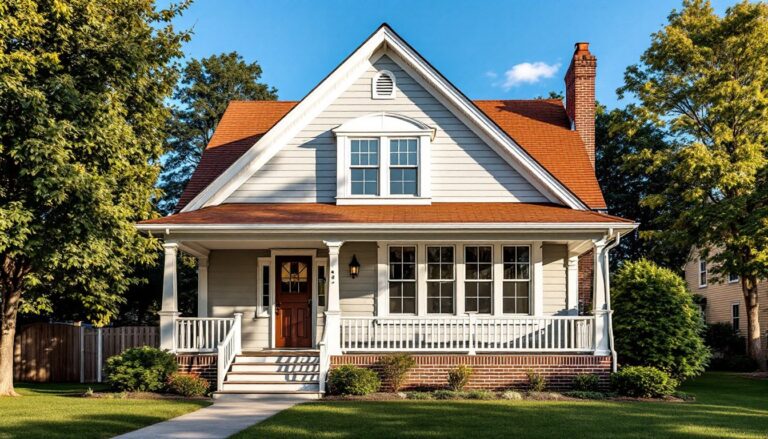

House hacking helps people reduce or eliminate their housing costs by generating rental income from their primary residence. This strategy has gained popularity among first-time homebuyers and real estate investors who want to build wealth while keeping expenses low.
The concept is simple: buy a property, live in one part, and rent out the rest. The rental income covers the mortgage, taxes, and insurance. Some house hackers even profit each month. Learning how to house hack can transform a major expense into a wealth-building tool.
Table of Contents
ToggleKey Takeaways
- House hacking lets you reduce or eliminate housing costs by renting out part of your primary residence to cover mortgage, taxes, and insurance.
- Popular house hacking strategies include multi-family properties, rent-by-room, short-term rentals, and accessory dwelling units (ADUs).
- FHA loans make house hacking accessible with down payments as low as 3.5% on properties with up to four units.
- Before buying, research local rental rates and run the numbers to ensure rental income covers all expenses and ideally produces positive cash flow.
- House hacking offers tax benefits, forced equity building, and hands-on real estate education, but requires accepting less privacy and landlord responsibilities.
- This strategy works best for those willing to trade some comfort for financial progress and long-term wealth building.
What Is House Hacking?
House hacking is a real estate strategy where homeowners rent out part of their property to offset living costs. The term was popularized by BiggerPockets, a real estate investing community, though the practice has existed for decades.
A house hacker buys a multi-unit property, lives in one unit, and rents out the others. The rental income pays for the mortgage and other expenses. In many cases, tenants cover 100% of housing costs, or more.
House hacking works with different property types:
- Duplexes, triplexes, and fourplexes – The owner lives in one unit and rents the remaining units
- Single-family homes – The owner rents out spare bedrooms or a basement apartment
- Properties with ADUs – Accessory dwelling units (guest houses, garage apartments) provide separate rental space
The key benefit of house hacking is financial freedom. Instead of spending 30% or more of income on housing, house hackers redirect that money toward savings, investments, or paying down debt. Many people use this strategy to buy their first investment property with minimal risk.
Popular House Hacking Strategies
Several house hacking strategies exist, and the best choice depends on budget, location, and lifestyle preferences.
Multi-Family House Hacking
This is the most common approach to house hacking. The investor purchases a duplex, triplex, or fourplex using an owner-occupied loan. They live in one unit and rent out the others.
A fourplex offers the highest income potential. Three rental units can generate enough revenue to cover the entire mortgage plus provide cash flow. Properties with up to four units still qualify for residential financing, which means lower down payments and better interest rates than commercial loans.
Rent-by-Room House Hacking
Some house hackers purchase single-family homes and rent individual rooms. This strategy often generates more income per square foot than renting to a single tenant.
For example, a three-bedroom house might rent for $1,800 to one family. But renting each bedroom separately for $700 produces $2,100 monthly. The trade-off is more management and less privacy.
Short-Term Rental House Hacking
Platforms like Airbnb and VRBO allow house hackers to rent spare rooms or units on a nightly basis. Short-term rentals typically earn more than long-term leases, especially in tourist destinations or near major events.
But, short-term rentals require more work. Hosts must handle bookings, cleaning, and guest communication. Local regulations may also restrict or prohibit short-term rentals in certain areas.
ADU House Hacking
Accessory dwelling units offer house hacking opportunities without sharing walls. A detached guest house, converted garage, or basement apartment provides rental income while maintaining separation between owner and tenant.
Many cities have relaxed ADU regulations in recent years, making this strategy more accessible. Some homeowners add ADUs to existing properties specifically to house hack.
How to Get Started With House Hacking
Getting started with house hacking requires planning, financing, and property selection. Here’s a step-by-step approach.
Step 1: Determine Your Budget
Calculate how much house you can afford. Factor in down payment, closing costs, and cash reserves for repairs and vacancies. Most lenders want to see three to six months of expenses in savings.
FHA loans allow down payments as low as 3.5% on properties with up to four units. This makes house hacking accessible to buyers with limited savings.
Step 2: Research Your Market
Study rental rates in target neighborhoods. A successful house hack depends on rental income covering expenses. Use sites like Zillow, Rentometer, and Craigslist to estimate what tenants will pay.
Look for areas with strong rental demand: near colleges, hospitals, downtown districts, or major employers.
Step 3: Find the Right Property
Search for multi-family properties or single-family homes with rental potential. Consider factors like:
- Unit layout and privacy
- Parking availability
- Condition and repair needs
- Neighborhood quality and safety
Work with a real estate agent who understands investment properties. They can identify deals and help analyze potential returns.
Step 4: Run the Numbers
Before making an offer, calculate expected cash flow. Add up all expenses: mortgage payment, property taxes, insurance, utilities, maintenance, and vacancy allowance. Subtract this from projected rental income.
A good house hack should at minimum cover all costs. Ideally, it produces positive cash flow.
Step 5: Close and Move In
Once you’ve found a property, secure financing and close the deal. Most owner-occupied loans require living in the property within 60 days of closing.
After moving in, prepare rental units for tenants. Screen applicants carefully, good tenants make house hacking much easier.
Pros and Cons of House Hacking
House hacking offers significant benefits, but it’s not perfect for everyone.
Advantages
- Reduced housing costs – Rental income offsets or eliminates mortgage payments
- Lower barriers to entry – Owner-occupied loans require smaller down payments than investment property loans
- Forced savings – Mortgage payments build equity instead of paying a landlord
- Real estate education – House hackers learn property management with training wheels
- Tax benefits – Rental property owners can deduct expenses like depreciation, repairs, and insurance
Disadvantages
- Less privacy – Living near tenants means sharing space and dealing with issues directly
- Landlord responsibilities – Maintenance calls, tenant disputes, and vacancy stress fall on the owner
- Location limitations – The best investment properties aren’t always in preferred neighborhoods
- Lifestyle adjustments – House hacking may require compromise on home size or amenities
House hacking works best for people willing to trade some comfort for financial progress. Those who value privacy and space above all else may find the trade-offs difficult.