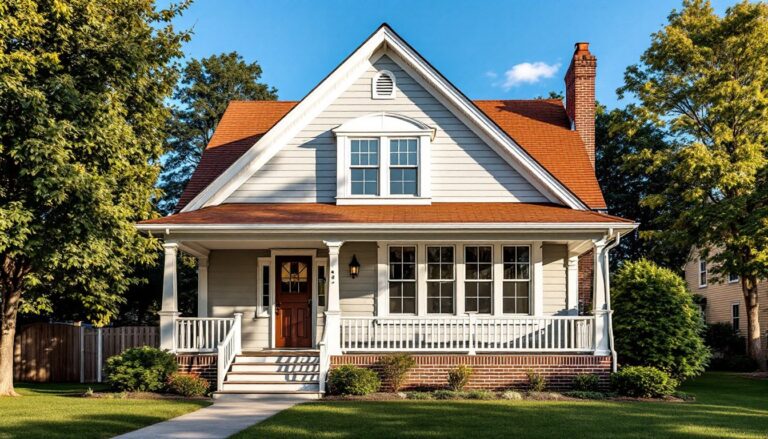

Living in a 700 square-foot tiny house demands smarter thinking, not sacrifice. Whether you’re downsizing, house hacking, or simply looking to reduce overhead, a well-designed 700 sq ft space can feel spacious, functional, and intentional. This guide walks you through layout strategies, storage hacks, and design tactics that work at this scale, covering everything from floor plans that breathe to finishes that expand your visual space. By the time you’re done reading, you’ll have concrete ideas for making every square inch count without feeling cramped.
Table of Contents
ToggleKey Takeaways
- A 700 sq ft tiny house is best suited for one to two people and offers a sweet spot between studio apartments and small two-bedrooms, with genuine separation between sleeping and living zones without compromising functionality.
- Smart floor plan layouts minimize wasted hallway space and use soft boundaries like half-walls or kitchen peninsulas instead of fully open concepts, which can actually make tiny spaces feel smaller and noisier.
- Vertical storage is essential in a 700 sq ft home—floor-to-ceiling shelving, wall-mounted cabinets, and lofted beds with storage underneath can help you maximize storage without consuming square footage.
- Light, neutral wall colors, strategic mirror placement, dimmable layered lighting, and continuous flooring throughout a 700 sq ft space create the illusion of significantly larger dimensions.
- Kitchen and bathroom renovations deliver the fastest return on investment, such as replacing vanities with pedestal sinks, installing pull-out pantry cabinets, and choosing corner showers over tub-shower combos.
- Decluttering and professional organizing can reclaim 30–40 sq ft of usable space, making intentional storage and eliminating duplicate items as important as design choices for successful tiny house living.
Understanding 700 Square Feet: What Size Are We Really Talking About?
Seven hundred square feet might sound tiny until you visualize it. That’s roughly the footprint of two average bedrooms (each 120 sq ft) plus a kitchen, bathroom, and living area stacked together. To put it in perspective: a standard two-car garage is 400 sq ft, so your 700 sq ft tiny house is only 75% larger.
For comparison, the median studio apartment runs 400–500 sq ft: a one-bedroom averages 600–700 sq ft: a small two-bedroom sits around 900–1100 sq ft. Your 700 sq ft sits in the sweet spot where you can fit one genuine bedroom, a separate living area, and workable kitchen without open-concept compromises. This matters because it means you’re not designing a studio where your bed IS your living room, you have separation.
The key is understanding that 700 sq ft is sustainable for one or two people if the layout is smart. A family of four would feel squeezed. That single fact determines whether you’re building a primary residence, investment property, or guest cottage, and it shapes every decision downstream.
Smart Layout And Floor Plan Strategies For Tiny Homes
The best 700 sq ft layouts follow two rules: eliminate wasted hallway space, and separate daytime living from nighttime sleeping without walls that choke flow.
A classic layout dedicates roughly 120–150 sq ft to the bedroom (enough for a queen bed plus a narrow dresser), 100–120 sq ft to the bathroom (a standard 5’×10′ bathroom), 120–150 sq ft to the kitchen (galley or L-shaped, not island-centric), and 250–300 sq ft to living and dining combined. This splits naturally into zones without cramming everything into one great room.
If you’re building or renovating, avoid layouts that force you to walk through bedrooms to reach bathrooms or living areas. Circulation costs square footage, every inch of hallway is dead space. The smartest floor plans nestle the bathroom and bedroom along one wall, cluster the kitchen nearby, and open that rear 60–70% of the footprint to living and dining with visual connection (but not physical walls removed).
Consider a pocket door at the bedroom entry instead of a swing door: it saves 10–15 sq ft of swing clearance. Similarly, a pedestal or wall-mounted sink in the bathroom saves more floor space than a vanity, you reclaim room under the sink for a small cabinet. These aren’t cosmetic tweaks: they’re how you squeeze a functional home into 700 sq ft without feeling like an RV.
Open Concept Living To Maximize Space
The temptation is to tear down every wall and create one big open space. That’s actually a mistake for 700 sq ft. Fully open floor plans feel smaller because visual clutter spreads everywhere: cooking odors and noise colonize the bedroom: and you lose acoustic privacy.
Instead, aim for visual openness with soft boundaries. Keep the kitchen, living, and dining areas connected and sightline-clear, but use half-walls, a kitchen peninsula, or a change in flooring material to define zones without walls. If you’re renovating an older home with enclosed rooms, consider removing the wall between the living room and kitchen, but keep the bedroom fully walled. That one wall change often costs under $1,000 (assuming no load-bearing complications and proper header sizing per local building code) and opens the main living area dramatically.
A 3-foot-high peninsula or breakfast bar acts as a subtle boundary between kitchen and living room, it stops visual chaos, lets cooking happen out of sight, and provides seating. This is far smarter than knocking out drywall and regret the expense later.
Storage Solutions That Keep Your Tiny House Organized
Storage is the difference between “cozy tiny house” and “hoarder’s nightmare.” At 700 sq ft, you simply don’t have room for redundant stuff, so design storage to be efficient and accessible.
Vertical storage is your religion. Floor-to-ceiling shelving on one living room wall can hold 40+ items without eating square footage. Wall-mounted shelves in the kitchen triple your storage density compared to lower cabinets alone. A pegboard above the kitchen counter (32″×48″ runs about $30–50) holds small tools, cooking utensils, and pots without taking a single cabinet.
In the bedroom, a lofted bed with storage underneath (if ceilings allow, you need 7.5–8 feet clear) gives you a sleeping platform AND a workspace or storage area below in just 100 sq ft. Bedroom closets in tiny houses should use double-hanging rods to split the space, one rod at 3.5 feet, another at 6.5 feet, doubling your hanging capacity. Add shelf dividers in closets to keep stacked items from toppling.
The bathroom is a storage hotspot everyone forgets. A recessed medicine cabinet (fits between studs, doesn’t protrude) costs $30–80 and costs nothing in floor space. A shelf above the toilet steals 12–18 inches of overlooked vertical real estate. Undersink storage with pull-out baskets or sliding organizers multiplies what a standard cabinet can hold.
Kitchen cabinets should use pull-out drawers and carousel corner organizers (Lazy Susans) to eliminate the dead space in the back corners, a typical kitchen wastes 15–20% of cabinet volume to unreachable depth. A standard cabinet costs $200–400: an upgraded interior with slides costs an extra $50–100 but you’ll actually use what you store.
Interior Design Tips For Making 700 Sq Ft Feel Larger
Paint and lighting do more than decor here, they physically alter how your eye reads the space. Done right, a 700 sq ft home can feel like 850 sq ft. Done wrong, it feels like a cave.
Strategic mirror placement is the oldest visual trick. A large **3’×5′ mirror opposite a window bounces natural light back into the room and tricks your brain into thinking there’s another window, instant depth perception. Mirrors in hallways also break up visual monotony without cost.
Furniture choice matters more in tiny spaces. Oversized sectionals and bulky dining tables eat the room alive. Instead, choose lighter-scale seating with slim legs and open bases (you can see floor beneath them), which reads as less massive. A sofa-bed or loveseat with a chaise does double duty, living room by day, guest sleeping area by night, without owning a separate guest bed. Wall-mounted desks and folding dining tables collapse when unused, freeing 20–30 sq ft instantly.
Color Palettes And Lighting For Small Spaces
Color is science at this scale. Light, neutral wall colors (soft white, pale gray, warm beige) reflect light and don’t visually compress the room. If you want color, use it on one accent wall or in textiles (throw pillows, rugs) you can swap out. Bold color on all four walls will suffocate 700 sq ft, the eye has nowhere to rest.
Flooring continuity matters too. One flooring type (or coordinating finishes) that flows from kitchen through living and into hallways makes the space feel cohesive and larger. A light wood or light-gray tile (36″×36″ or larger format) expands the visual footprint more than small 12″×12″ tiles, which create visual busy-ness.
Lighting is non-negotiable. A single ceiling fixture casts harsh shadows and doesn’t feel inviting. Layer your light instead: recessed ceiling lights (5–6 fixtures for 700 sq ft, spaced 4–5 feet apart) provide task light: wall sconces on either side of a bathroom mirror or next to the bed add ambiance: a floor lamp in the corner washes the wall with soft light and creates depth. Dimmable bulbs mean you control mood, bright for cleaning, dim for living. Good lighting costs $300–600 in fixtures and installation but transforms the space.
Windows and glass doors magnify the impact of natural light. If you’re renovating, replacing a solid door with a glass patio door floods the space with daylight and visual connection to the outside. Interior glass, a partial glass panel in the bedroom door, lets light reach otherwise dark corners without sacrificing privacy.
Practical Renovation Ideas To Maximize Every Inch
If you’re building or heavily renovating a 700 sq ft tiny house, certain moves pay dividends.
Kitchen optimization is the fastest ROI. A galley kitchen (two parallel 8–10 foot runs with a central aisle) wastes less space than an L-shaped layout and fits better into narrow footprints. Replace a standard 36″×24″ base cabinet with a pull-out pantry cabinet (12″×24″ footprint) and gain 40% more storage in the same footprint. Vertical drawer dividers in base cabinets let you stack and organize baking sheets, cutting boards, and pans without rummaging. A shallow, open shelving unit (8–10 inches deep instead of 12) above the counter holds everyday dishes and cookbooks without blocking sightlines.
Bathroom efficiency comes from rethinking fixtures. A corner shower stall (32″×32″) works better than a tub-shower combo at this scale, you reclaim floor space and don’t struggle with the awkward surround. A compact sink (20–24″ wide instead of 30–36″) still functions but costs half the cabinet space. A wall-mounted or low-profile toilet tank (6–8 inches instead of 10–12″) sounds trivial until you’re maneuvering around it in a 5’×8′ room.
Bedroom wardrobe organization beats closet expansion. A free-standing wardrobe cabinet (or armoire) can hold more than a standard 3-foot closet at the same footprint cost. Vacuum storage bags compress seasonal clothes to 1/3 volume: stash them under the bed. This approach sounds silly until you live in 700 sq ft and realize you don’t need summer clothes in January.
Consider the real investment: hiring a professional organizer for $200–400 for a 3-hour consultation often pays for itself in reclaimed usable space and eliminated clutter. Many homeowners find 30–40 sq ft of “new” space just by organizing better and eliminating duplicate tools, kitchen gadgets, and clothes. The Real Simple approach to decluttering emphasizes keeping only what serves you, which transforms tiny living from constraint to intentional choice.