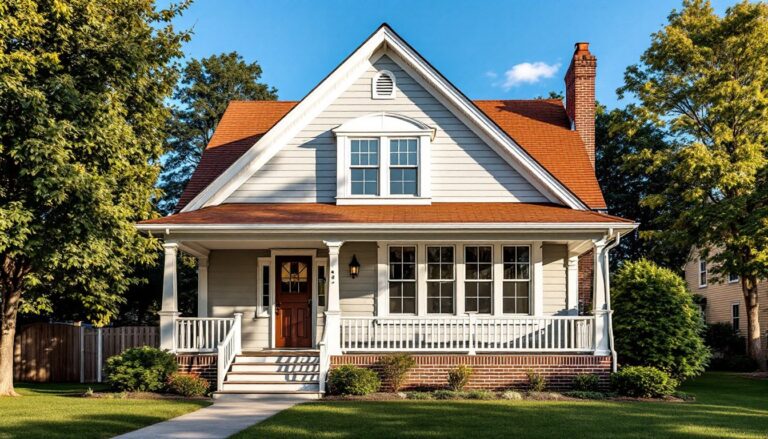

A 2-loft tiny house flips the script on cramped quarters, instead of spreading a family thin horizontally, you build up. Two separate sleeping or working areas stacked vertically can transform a 400-square-foot footprint into something that actually functions for multiple people. The key is intentional design: proper ceiling heights, smart stairs or ladders, and layouts that don’t force you to climb over someone else’s bed to reach the bathroom. This approach works whether you’re building from scratch or renovating an existing tiny home, and when done right, it feels spacious rather than stacked.
Table of Contents
ToggleKey Takeaways
- A 2-loft tiny house design maximizes 300–500 square feet by stacking two separate sleeping or working areas vertically, eliminating the cramped feel of single-loft layouts.
- Proper headroom (36+ inches above mattresses), ventilation, and offset loft positioning are essential to prevent humidity issues and maintain comfort in vertical living spaces.
- Stairs are superior to ladders for daily accessibility and safety, requiring roughly 3-by-5 feet of floor space but providing long-term livability in tiny homes.
- Smart furniture solutions—including rolling storage under lofts, wall-mounted shelving, and multipurpose pieces—enable a 2-loft tiny house to function without visual clutter.
- Structural integrity requires proper joist sizing, load-bearing verification (40 pounds per square foot minimum), and building permits; skipping these steps risks safety and resale value.
- Strategic lighting with LED strips and clip-on task lights, combined with neutral wall colors and partial privacy dividers, keeps dual loft spaces feeling open and separate.
Understanding the 2-Loft Tiny House Design
A 2-loft tiny house typically features two elevated sleeping or living areas positioned at different heights within the same structure. Unlike a standard studio with a single loft, the two-loft design carves out genuine separation, psychologically and sometimes physically. The first loft might sit at 8 feet, while a second sits at 12 feet, or they’re offset horizontally so one doesn’t directly sit above the other.
The footprint usually ranges from 300 to 500 square feet, with vertical volume doing the heavy lifting. This design is popular in tiny homes on wheels, compact ADUs (accessory dwelling units), and renovated small cottages. Building codes require minimum ceiling heights, typically 6 feet 8 inches in living spaces, so you’re working within real structural constraints, not just aesthetic ones.
The structural approach matters too. Many builders use post-and-beam framing for lofts rather than relying entirely on walls. This allows flexibility in positioning and prevents load-bearing issues. When planning, you’ll need to account for headroom above each loft, stair or ladder placement, and how upper lofts affect natural light and air circulation in the space below.
Why Vertical Living Matters in Tiny Homes
Vertical space is the tiny home owner’s most valuable asset. By stacking functions, sleeping, working, storage, you multiply usable square footage without expanding the footprint. A 2-loft design means two family members or guests can have semi-private spaces instead of sharing one bedroom or bumping elbows in an open loft.
From a lifestyle standpoint, having designated zones prevents the “always on top of each other” feeling that kills tiny home dreams. One person can sleep while another works at a desk in a separate loft. Kids can have their own space. The psychological separation is as important as the physical one.
Integrating ideas from small space living communities shows that vertical layouts consistently rank highest for user satisfaction in compact homes. The loft concept also maximizes floor space below for living, cooking, and movement, critical for a home that needs to function daily, not just photograph well.
Essential Features of Effective Loft Layouts
Headroom and clearance: Each loft needs at least 36 inches of vertical space above the mattress or desk for comfort. Less than that, and you’re crawling in and out.
Access: Stairs (with 7- to 8-inch treads and 10-inch rises) are safer and more accessible than ladders, especially for kids or when carrying items. Ladders work in a pinch but aren’t ideal long-term.
Ventilation: Lofts naturally trap heat. Install vents, a ceiling fan, or operable windows near the upper areas to keep air moving. Stagnant, hot lofts aren’t livable.
Load-bearing: Confirm your joists or beams can handle the weight of occupants, mattresses, and furniture. A 200-pound person plus mattress plus nightstands adds up fast. Underestimate and you risk sagging or structural failure.
Sight lines: Offset lofts so one doesn’t hover directly above the other. It improves air flow, light distribution, and feels less bunker-like.
Smart Furniture and Storage Solutions for Dual Lofts
Furniture in a 2-loft tiny house must earn its space. A full queen bed takes up most of a small loft, so every other piece needs to serve double or triple duty.
Storage under lofts: The floor space beneath elevated beds is prime real estate. Install rolling drawers, shelving, or cabinets to stash linens, seasonal gear, or tools. This keeps clutter off visible surfaces and maximizes the footprint.
Foldable and compact pieces: Desks that fold flat, murphy tables that drop from walls, and rolling carts let you reconfigure the space as needed. A daytime workspace becomes a guest sleeping area at night.
Vertical shelving: Mount shelves on walls up to the ceiling. Tall, narrow bookcases pull double duty as storage and visual dividers between zones.
Bed and mattress choices: A low-profile platform bed (4-6 inches) gains you headroom compared to a frame with a deep base. Memory foam mattresses are slightly softer to compress, freeing another inch or two of space.
Consider home organization strategies that emphasize paring down before building up. A 2-loft home forces minimalism. If you’re moving from a larger house, plan on downsizing furniture by 30-40% minimum. Measure your loft openings before ordering anything, many bed frames won’t fit through a 2-foot square hatch.
Design Tips for Two-Level Tiny Living
Lighting is non-negotiable. Upper lofts don’t get natural light unless they’re positioned near windows or skylights. Install LED strip lights under the loft edge (pointing down to the space below) and clip-on reading lights at each loft for task work. This keeps the main space feeling open and prevents dark caverns overhead.
Color and material choices affect perceived space. Light, neutral walls on lower levels keep things feeling airy. You can be bolder in upper lofts since they’re visual “separate” zones. Matte finishes on walls diffuse light better than gloss, reducing glare in tight quarters.
Staircase design sets the tone. Stairs should be as narrow as code allows (usually 36 inches wide minimum) but have handrails and proper angles. Alternating tread stairs (where left and right feet step on different-height treads) save space versus standard stairs. If using a ladder, ensure it’s well-bolted and angled at 60-75 degrees from horizontal.
Air flow and moisture control: Bathrooms in tiny homes often create humidity issues that hit upper lofts first. A bathroom exhaust fan rated for the cubic footage (see specs on the packaging) vented outside, not into the attic, is essential. Add a small dehumidifier in summer if needed. Poor ventilation ruins tiny homes faster than almost anything else.
Zoning with partial walls or curtains: You don’t need a full wall to separate lofts. A ceiling-mounted curtain rod or a partial wall (3 feet high, stopping below the loft floor) gives privacy without blocking air or light. This approach is popular in open floor plan tiny homes using kitchen and living design principles.
Building or Renovating Your 2-Loft Tiny House
If you’re building from scratch, loft placement is decided during framing. Work with an architect or experienced builder who understands tiny home structural requirements. If you’re retrofitting an existing home, assess the ceiling height, rafter spacing, and floor load capacity before committing to loft positions.
Structural considerations: Loft support typically comes from ledger boards bolted to the house framing, posts set on the floor, or both. Each loft needs to support a minimum live load of 40 pounds per square foot (check your local IRC code, it varies slightly by jurisdiction). That’s roughly 400 pounds for a 10-by-10-foot loft when fully loaded. Hire a structural engineer if you’re unsure: it’s cheaper than rebuilding if something fails.
Materials and labor: Pressure-treated lumber works for posts: joists are typically 2×8 or 2×10 for clear spans under 12 feet. Install rim joists and proper blocking to prevent sagging. If you’re doing loft railings, they must meet code, usually 36 inches high with no gaps greater than 4 inches (small children can’t get their heads stuck).
Stairs and access: A staircase takes up floor space (roughly 3-by-5 feet minimum) but it’s worth it over ladders for everyday living. Measure your opening width and landing space carefully. Stairs need a header above them, account for that in your ceiling design.
Permits and inspections: Most jurisdictions require permits for interior structural work, especially in tiny homes where every decision affects safety. Loft installation typically needs a framing inspection and sometimes a final inspection. It’s not worth skipping: unpermitted work tanks resale value and insurance claims.
DIY vs. professional help: If you’re handy with framing and have basic carpentry skills, securing ledger boards, installing joists, and building railings are manageable. Stair building is trickier, riser heights and tread depths must be consistent to code, and miscalculations show every time someone climbs. Consider hiring for stairs even if you do the rest. Expect costs for a professional 2-loft build to run $4,000–$10,000 in labor and materials, depending on finishes and complexity (costs vary significantly by region and material grades).
Common mistakes to avoid: Don’t undersize joists (a sagging loft looks bad and feels unsafe). Don’t skip ventilation (moisture kills tiny homes). Don’t put both lofts in the corners, offset them so one doesn’t shadow the space below. Don’t use low-quality fasteners: lofts shift and move: hardware needs to survive cycles of movement without loosening.
Conclusion
A well-designed 2-loft tiny house proves that smaller doesn’t mean less livable, it means smarter. With proper headroom, ventilation, structural support, and furniture choices, two people (or a small family) can thrive in a compact vertical home. The work is in the planning: measure twice, frame once, and respect the building codes that keep you safe. Whether you’re building new or adapting an existing structure, the payoff is a home that feels spacious and functional even though its footprint.