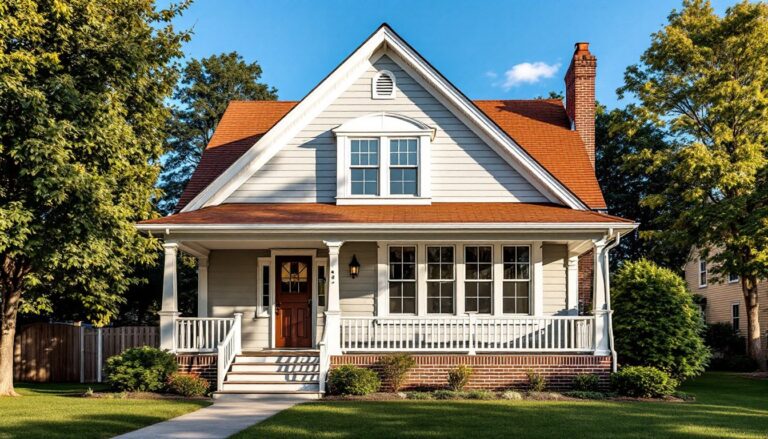

Tiny houses have shifted from niche novelty to legitimate short-term rental powerhouses. Airbnb tiny house listings now attract guests seeking authentic, affordable, and unique stays, often commanding premium nightly rates even though their modest footprint. Whether you’re a homeowner looking to generate passive income or a DIY enthusiast considering a compact rental property, understanding how to design, outfit, and market a tiny house rental is essential. This guide walks through the real mechanics of creating a profitable Airbnb tiny house, from layout strategy to guest experience optimization.
Table of Contents
ToggleKey Takeaways
- Airbnb tiny house rentals can generate $20,000 to $40,000+ annually with lower upfront costs than traditional properties by commanding nightly rates of $80–$250+ due to growing traveler demand for authentic, unique stays.
- Intentional design—including open-concept layouts, 9-foot ceilings, multi-functional furniture, and strategic lighting—transforms small spaces into comfortable, profitable rentals that prevent negative reviews and cancellations.
- Professional photography, honest square-footage descriptions, and highlighting unique features like wood stoves or views are essential to attract guests who genuinely want a tiny house rental rather than misleading them into disappointment.
- Guest safety and comfort require reliable utilities, adequate climate control (mini-split AC or heat pumps work best), sufficient electrical outlets, and clear written instructions for appliances and emergency procedures.
- Reviews and early social proof drive future bookings, making prompt responses and strategic discounts on initial bookings critical for building momentum and occupancy rates in the competitive tiny house rental market.
What Makes Airbnb Tiny Houses Such a Profitable Investment
Tiny houses occupy a sweet spot in the vacation rental market. They require lower upfront capital than traditional properties, generate strong per-square-foot revenue, and attract a growing demographic of conscious travelers. A well-positioned tiny house can yield 40–60% occupancy rates in competitive markets, translating to annual revenues of $20,000 to $40,000-plus depending on location and season.
The profit advantage lies partly in operational efficiency. Utilities, maintenance, and cleaning time all scale down proportionally. A 240-square-foot tiny house demands far less labor and materials than a 1,200-square-foot cottage. Also, travelers increasingly value the “Instagram-worthy” authenticity of a tiny house, the novelty factor justifies higher nightly rates (often $80–$250+) relative to traditional apartments in the same area.
But, success isn’t automatic. The property must be genuinely usable, safely equipped, and thoughtfully marketed. Tiny houses that feel cramped, poorly lit, or lacking in storage quickly accumulate negative reviews and cancellations. The path to profitability demands intentional design choices and honest communication with potential guests about square footage and layout.
Essential Design and Layout Tips for Maximizing Your Tiny House Rental
Layout dictates usability far more than paint color or decor. Before hanging a single frame, map out movement flow: Where do guests enter? How do they access the kitchen, bathroom, and sleeping area without bottlenecks? If your tiny house requires stepping over the bed to reach the kitchen, no amount of clever storage fixes that fundamental flaw.
Aim for an open-concept main living area. Walls blocking sightlines make spaces feel smaller and more confusing. Use visual continuity, consistent flooring material, cohesive color palette, and uncluttered sight lines, to psychologically expand the footprint. Ceiling height matters tremendously: if you’re renovating, preserving or adding 9-foot ceilings (versus the standard 8 feet) creates a noticeably airier feel.
Natural light is non-negotiable. Install operable windows on at least two walls for cross-ventilation and visual openness. Large windows also reduce reliance on artificial lighting during the day, lowering utility costs. Position bed and seating toward windows when possible: these sightlines enhance the sense of space.
Multi-functional spaces earn their weight. An ottoman that stores blankets, a murphy bed that folds into a wall desk, or a dining table on a lift mechanism all maximize utility without visual clutter. But, avoid gimmicks that complicate guest experience, a murphy bed is fine: a murphy bed that requires three YouTube tutorials to operate is a guest complaint waiting to happen.
Interior Design Strategies for Small Spaces
Color psychology works in tiny homes. Light, neutral walls (whites, soft grays, warm creams) reflect light and visually recede. A single accent wall or bold artwork draws the eye without overwhelming the space. Dark colors should be reserved for small accents, a navy throw pillow, not navy walls.
Mirrors strategically placed opposite windows or light sources amplify brightness and create depth. A large mirror above a console table or beside a seating area doubles the perceived dimension of the space. Vertical design is equally important: tall shelving, wall-mounted storage, and ceiling-hung elements draw the eye upward and keep floor area uncluttered.
Pattern and texture add visual interest without bulk. Woven baskets, textured throw blankets, and patterned cushions engage the eye while consuming minimal footprint. Just keep it edited, five distinct textures maximum, or the space feels busy and cramped.
Furniture and Storage Solutions That Work
Every piece of furniture in a tiny rental must justify its presence. A sofa should have built-in storage underneath or arms that double as side tables. A coffee table should lift or nest for easy reconfiguration. Avoid bulky sectionals, traditional dressers, and statement chairs that serve no secondary function.
Built-in storage is the gold standard. Shelving mounted between wall studs, under-bed drawers on sliders, and vertical closet systems with adjustable shelving maximize usable space without consuming floor area. If structural changes aren’t feasible, freestanding tall shelving units, over-door organizers, and wall-mounted hooks create storage without requiring renovation.
Bedding and linens should be hotel-grade but compact. Avoid heavy down comforters and excessive throw pillows: opt for a quality duvet set and two coordinated throw pillows. Storage inside the bed frame (on sliders or hinged panels) keeps off-season linens hidden and accessible.
Kitchen cabinets and drawers need organizational inserts: pull-out spice racks, dividers for baking sheets, and utensil trays. A magnetic knife strip mounted inside a cabinet door frees drawer space. Open shelving in kitchens appeals to guests, but only if items are intentionally curated and spotlessly clean: clutter on display amplifies the cramped feeling.
How to Set Up Your Tiny House for Guest Comfort and Safety
Guest comfort hinges on fundamentals: reliable utilities, adequate climate control, and clear communication about the space’s constraints. Test heating and cooling systems before launch: tiny houses can become uncomfortably warm or cold quickly due to high surface-area-to-volume ratios. A mini-split AC unit or efficient heat pump is often more practical and cost-effective than traditional HVAC for tiny spaces.
Water pressure, hot water delivery, and plumbing durability matter more in small spaces because guests interact with them constantly. Install a tankless water heater or adequate storage tank to ensure consistent hot water. Mineral buildup in older pipes reduces flow: if your property uses well water or has older galvanized pipes, consider filtering or replacement.
Electrical capacity must support modern guest needs: phone charging, laptop use, hair dryers, and coffee makers simultaneously. Ensure your panel can handle typical loads and install sufficient outlets (15-amp circuits are standard: consider 20-amp for kitchen areas). A few thoughtfully placed USB charging ports in bedside tables and near seating areas delight guests without requiring rewiring.
Safety is non-negotiable. Install smoke detectors on every level and near sleeping areas: also include a carbon monoxide detector if the space has a gas appliance or furnace. Fire extinguishers should be visible, accessible, and placed in the kitchen and near any heating appliance. Exit signage and a printed emergency contact card on the nightstand aren’t required but reduce liability and guest stress.
If the property has stairs, they must comply with local building codes, typically a 7.5-inch maximum rise and 10-inch minimum tread depth. Handrails are required for stairs of more than three risers. Document the property’s exact square footage and ceiling heights in all listing descriptions: misrepresenting dimensions generates refunds, cancellations, and reviews that hurt future bookings.
Provide clear, written instructions for appliances, thermostats, and wifi. A printed binder in a visible location (bedside table, kitchen counter) beats expecting guests to text questions at 11 p.m. on a weekend. Include emergency procedures, trash/recycling details, and checkout instructions.
Marketing Your Airbnb Tiny House to Attract More Bookings
Photography accounts for 80% of booking decisions. Hire a professional photographer experienced with small spaces: they understand angles, lighting, and staging that make tiny interiors feel spacious and inviting. Shoot during golden hour (dawn or dusk) to maximize natural light. Wide-angle lenses (18–24mm on a crop sensor) show space without distorting proportions: avoid fisheye lenses that scream “tiny.”
Provide detailed descriptions that set expectations honestly. Rather than “cozy intimate space,” describe: “240 sq ft, one bedroom with a queen bed, open-concept living/kitchen, full bath, 7-foot ceilings.” Specificity attracts guests who actually want a tiny house and deters those seeking a traditional apartment. Reference design inspiration from trusted sources like Apartment Therapy and HGTV if you’ve drawn styling cues from these platforms.
Highlight unique features. A wood-burning stove, views, off-grid systems, or unusual construction (shipping container, vintage Airstream) differentiate your listing. Amenities like a hot tub, fire pit, or proximity to hiking trails matter more in a tiny house than in a large property: guests are often choosing the location and experience, not just shelter.
Pricing strategy requires balancing demand and occupancy. Research comparable properties in your area using Curbed for market trends and local rental data. In high-demand seasons, tiny houses often command premium rates ($150–$250+/night): in slow seasons, competitive pricing and discounts drive occupancy. Tools like Airbnb’s dynamic pricing suggestions provide data-driven guidance.
Reviews drive future bookings. Respond to every review promptly and professionally. After checkout, send a thank-you message and a link to leave feedback. Request reviews from guests who stayed longer or seemed satisfied. Early reviews are crucial: consider offering a 10–15% discount for the first few bookings to build social proof quickly.
Marketing your property as part of a broader house hacking strategy helps homeowners and investors understand how a tiny house fits into overall wealth-building goals. Similarly, exploring house hacking tips provides context for the operational discipline required to run a profitable rental. Some owners combine a tiny house rental with owner occupancy on adjacent land, turning it into a complete house hacking income model.
Conclusion
Profiting from an Airbnb tiny house requires intentional design, honest communication, and consistent operational standards. The financial appeal is real, high per-square-foot revenue, low maintenance overhead, and strong market demand. But success depends on treating the space as a genuine guest experience, not a novelty photo op. Invest in layout, safety, and guest comfort first: aesthetics and marketing follow. Start with realistic expectations about occupancy and revenue, and refine operations based on guest feedback. A well-executed tiny house rental can generate steady income while requiring far less capital and labor than traditional rental properties.